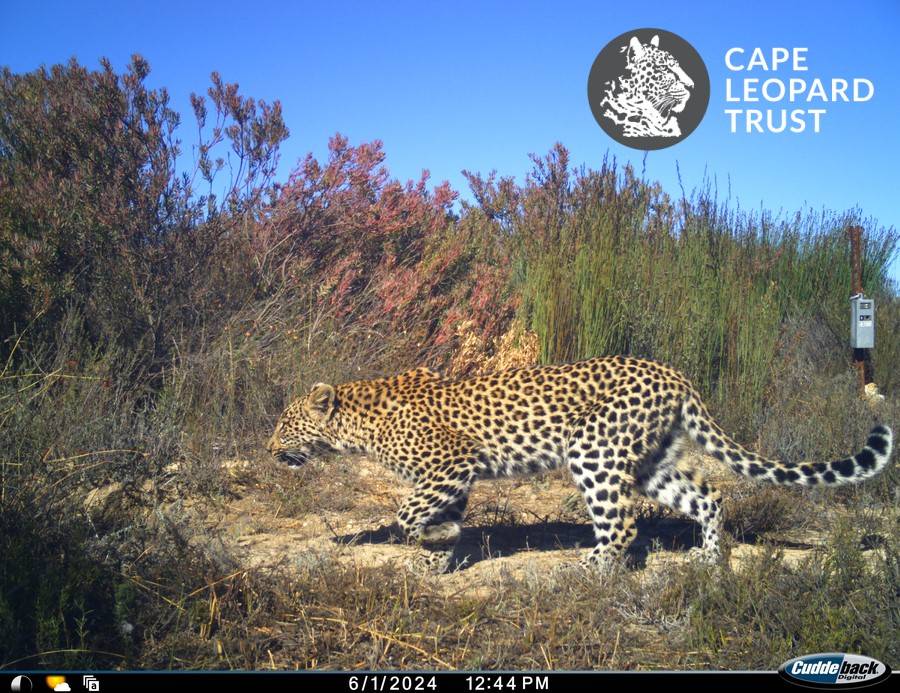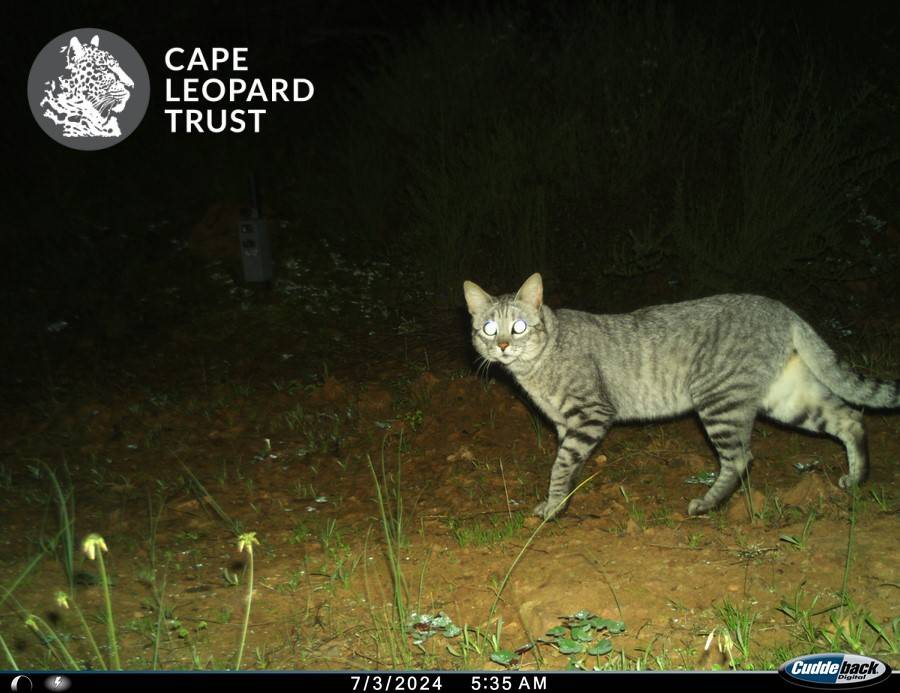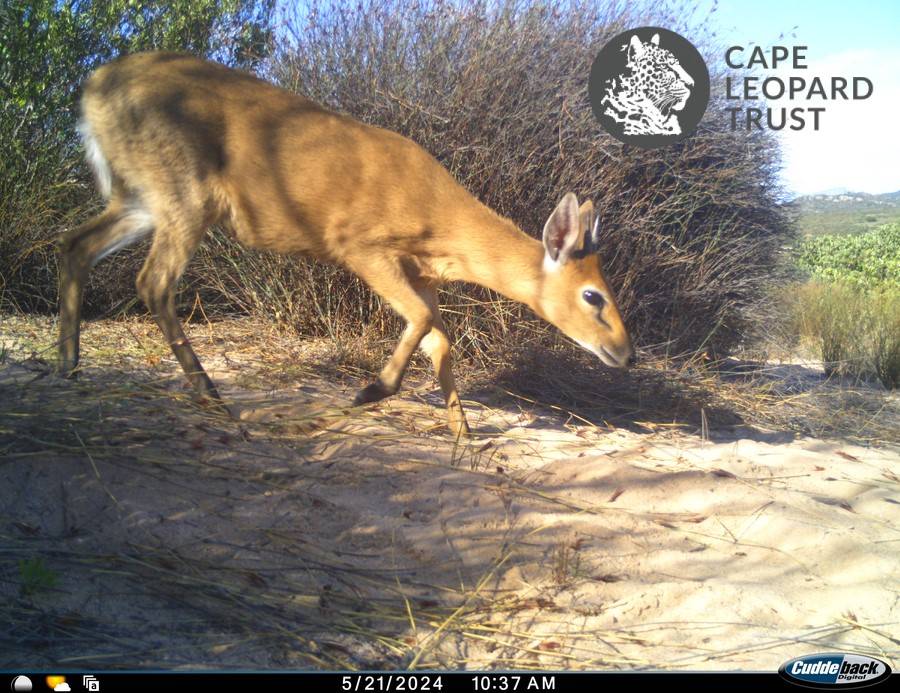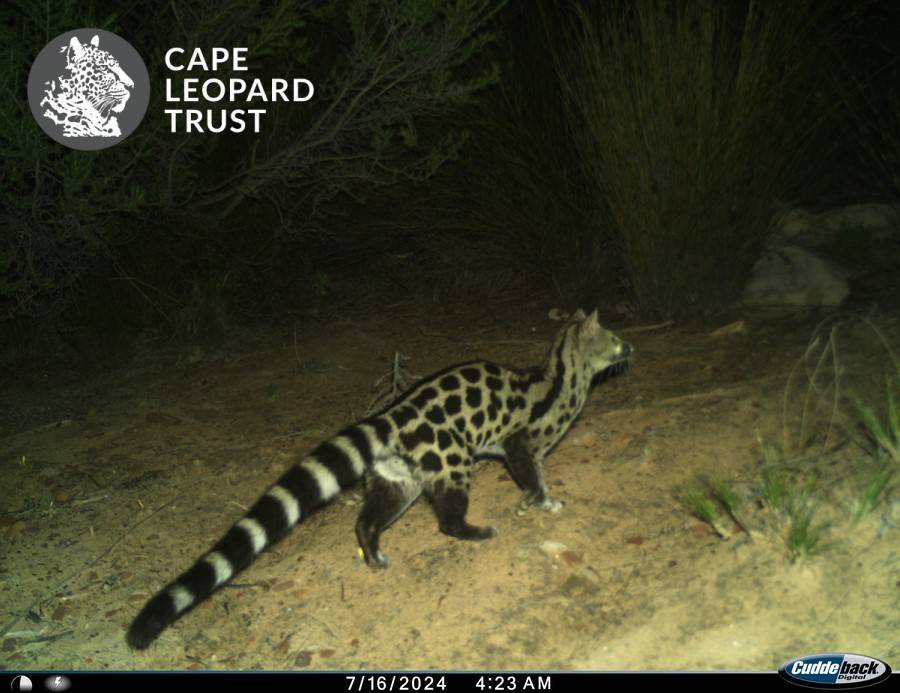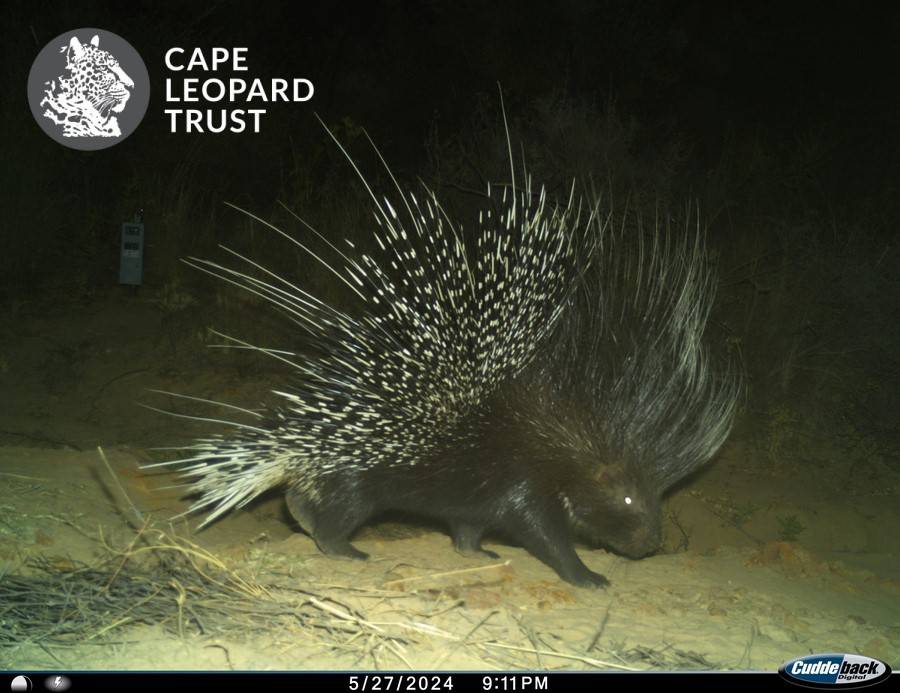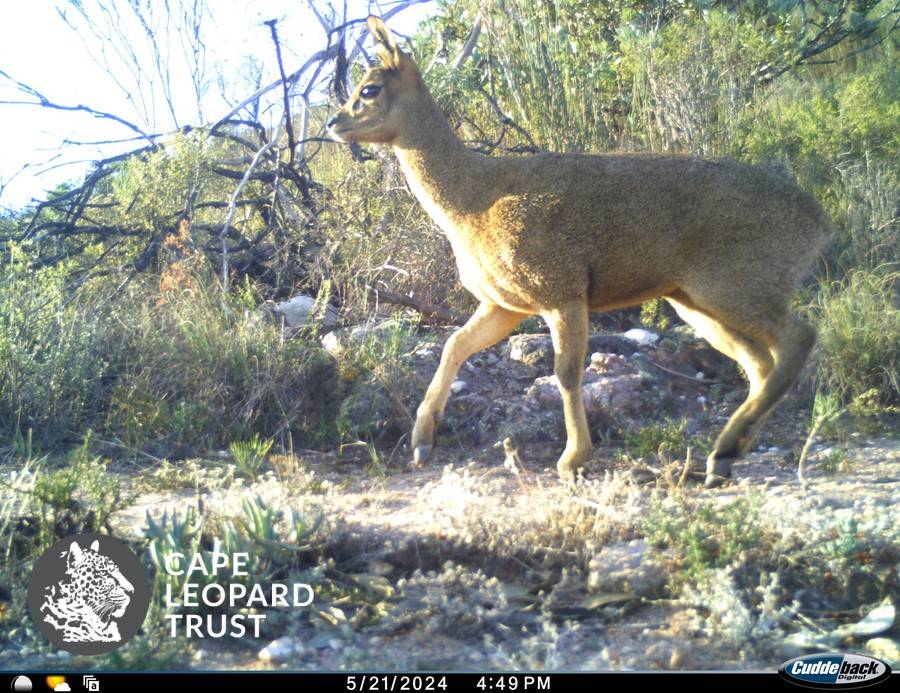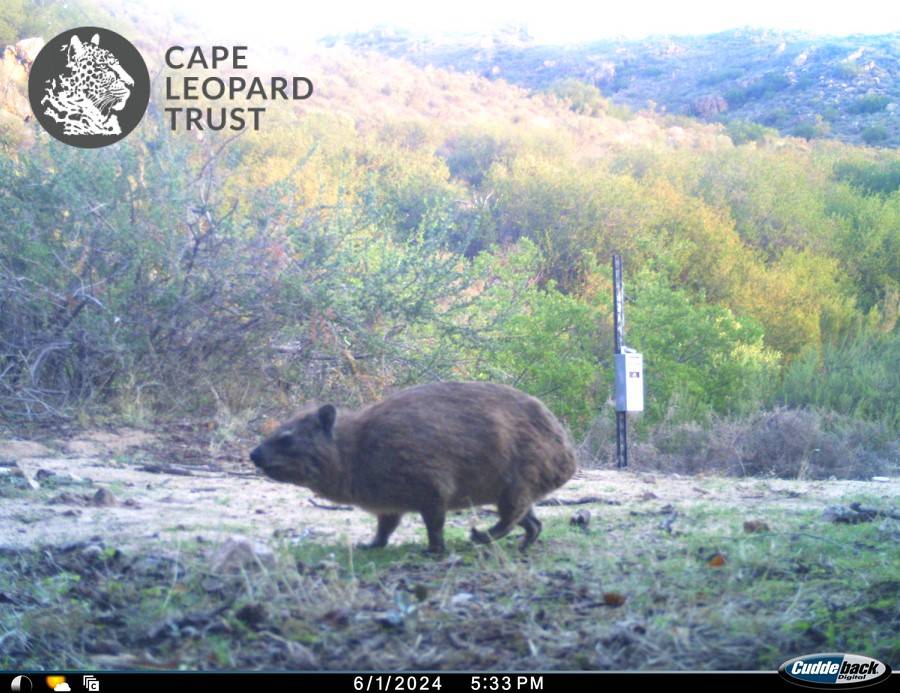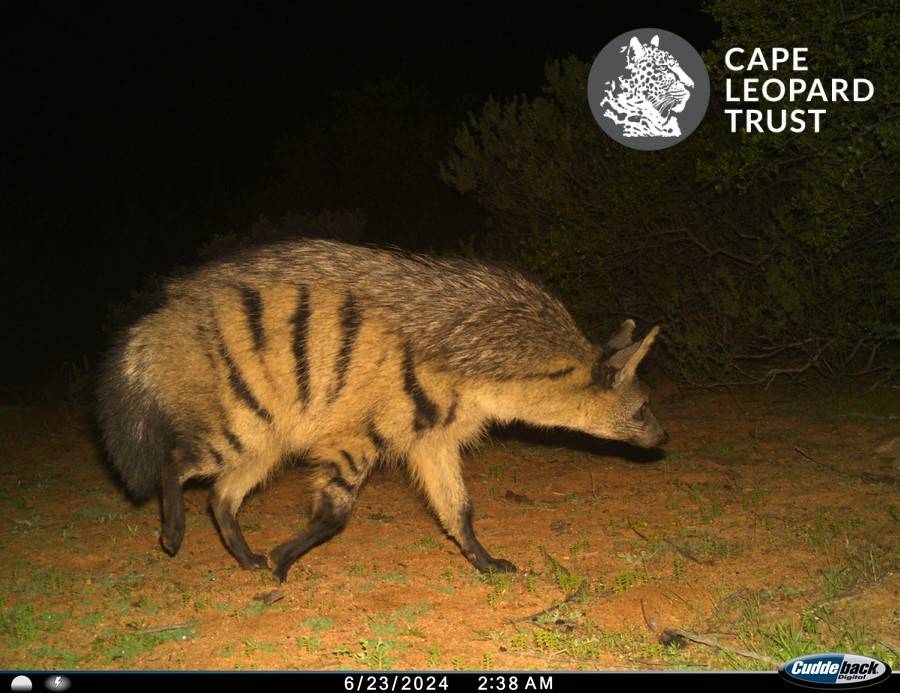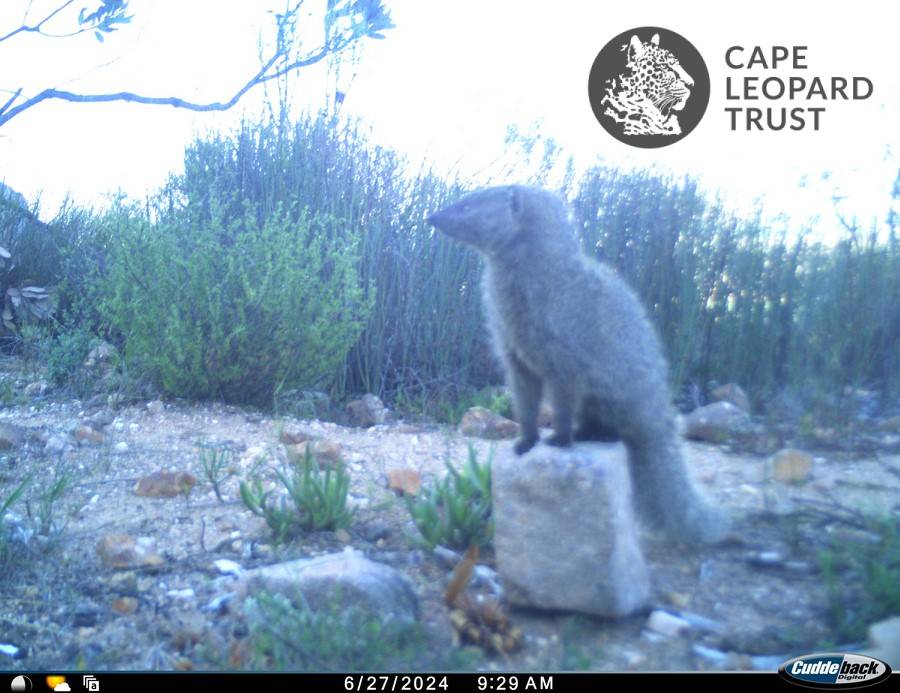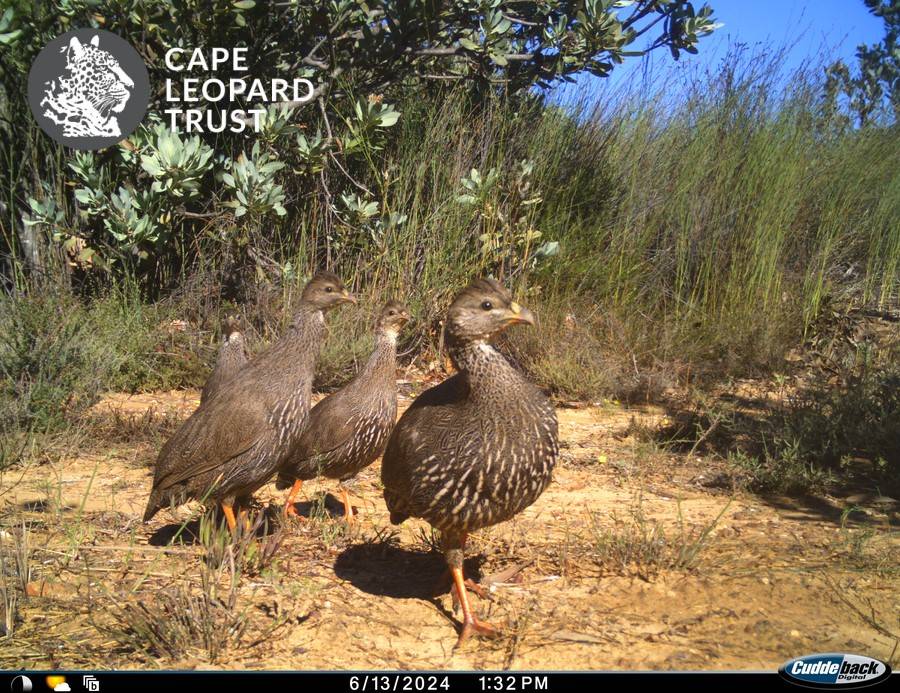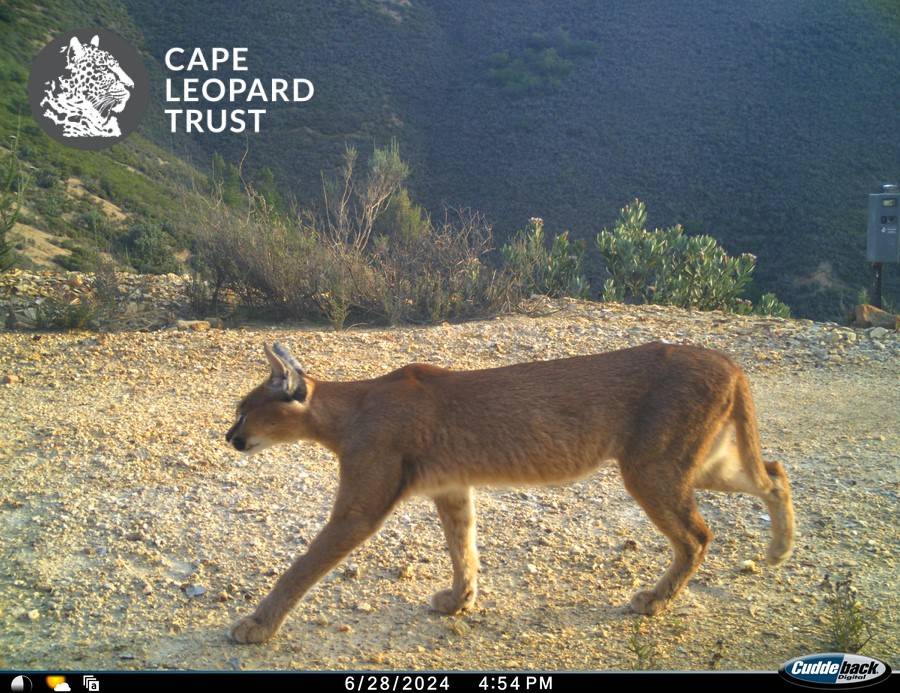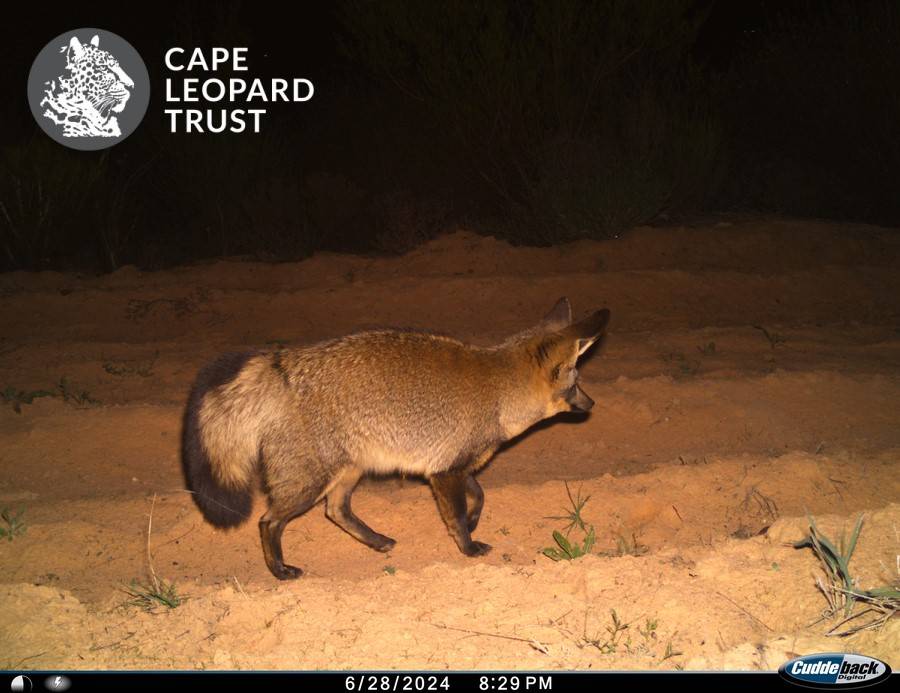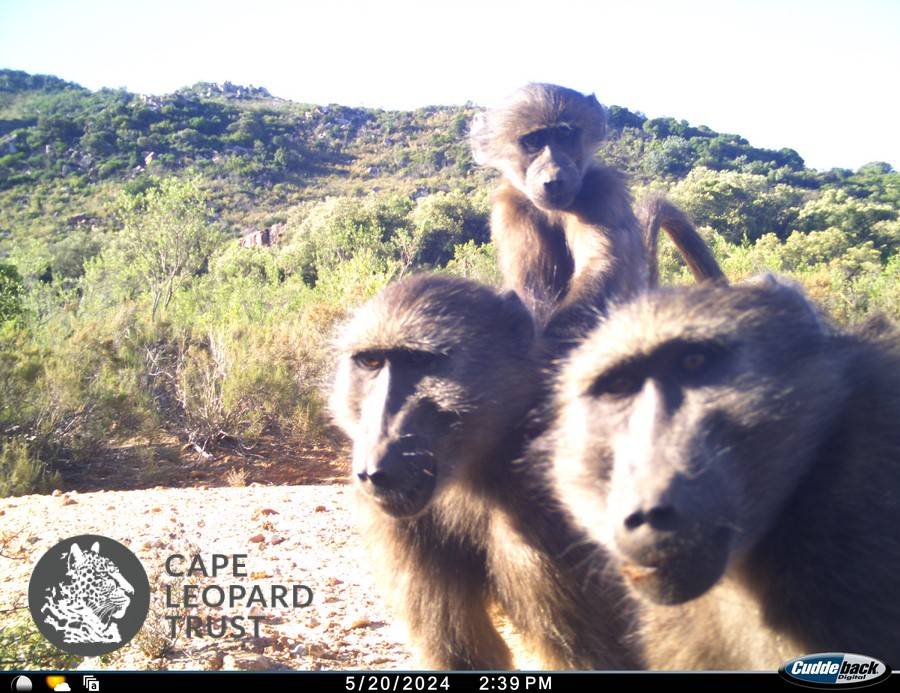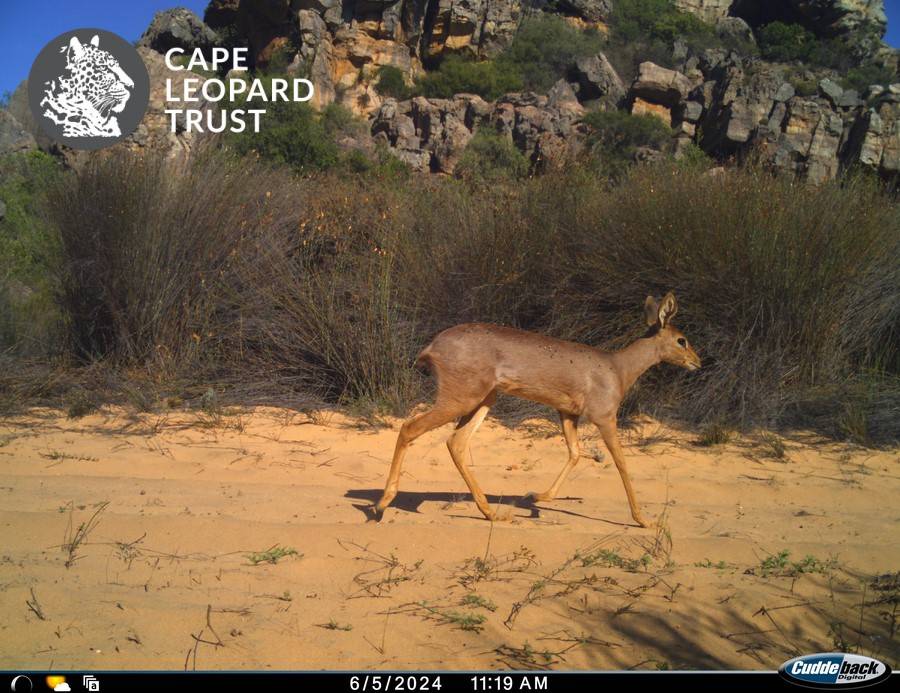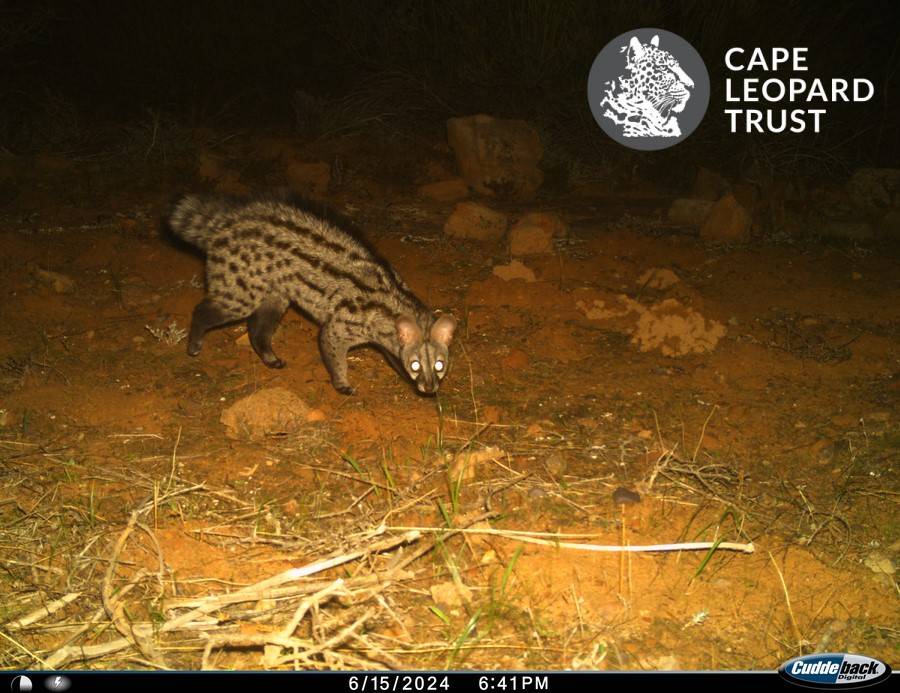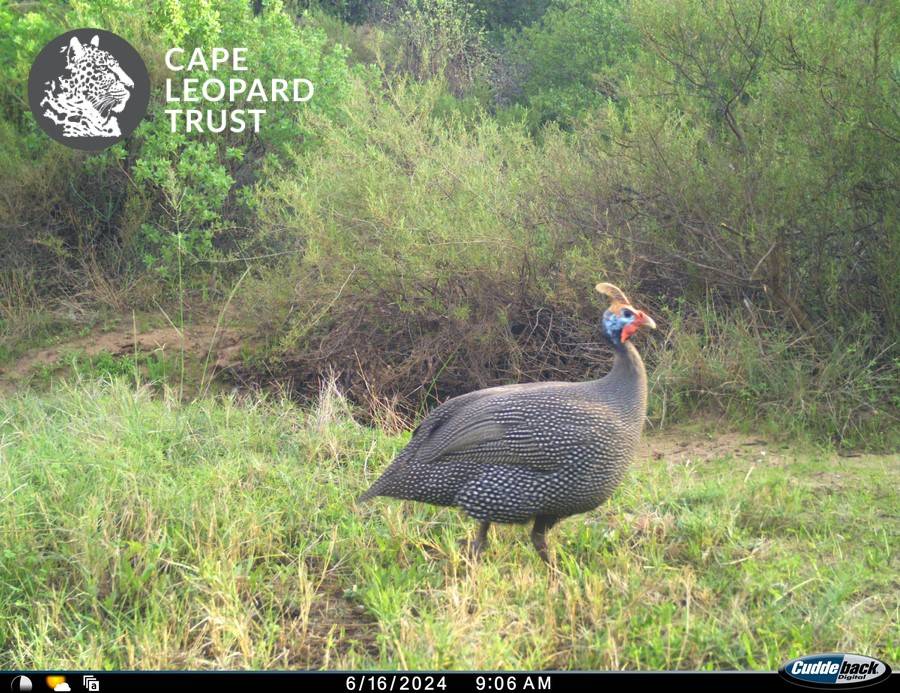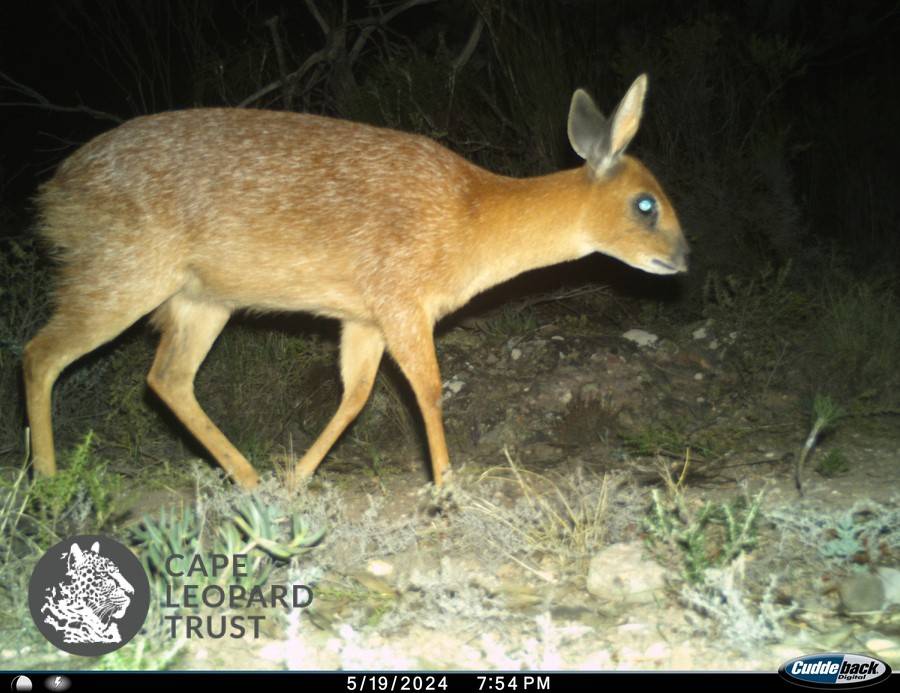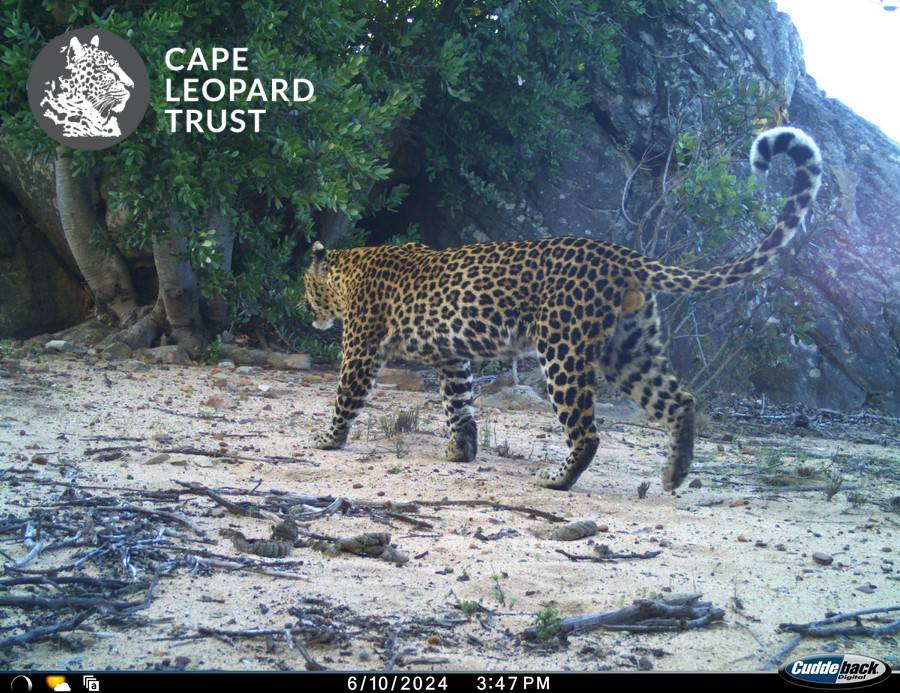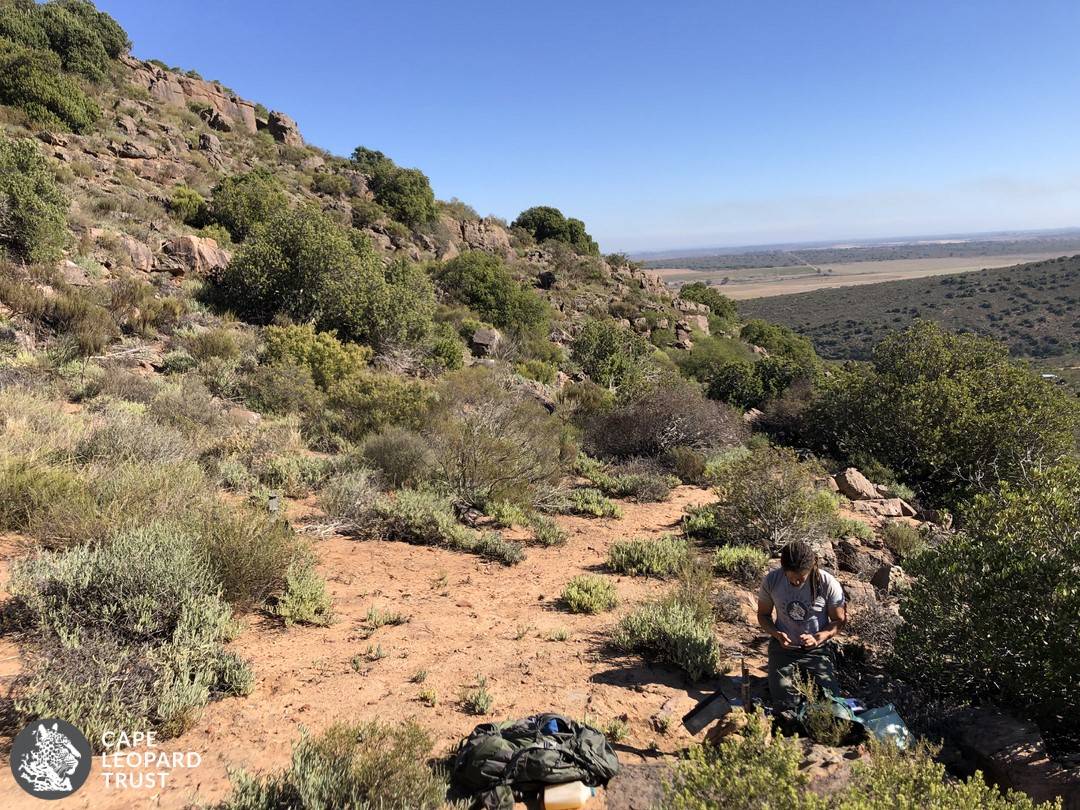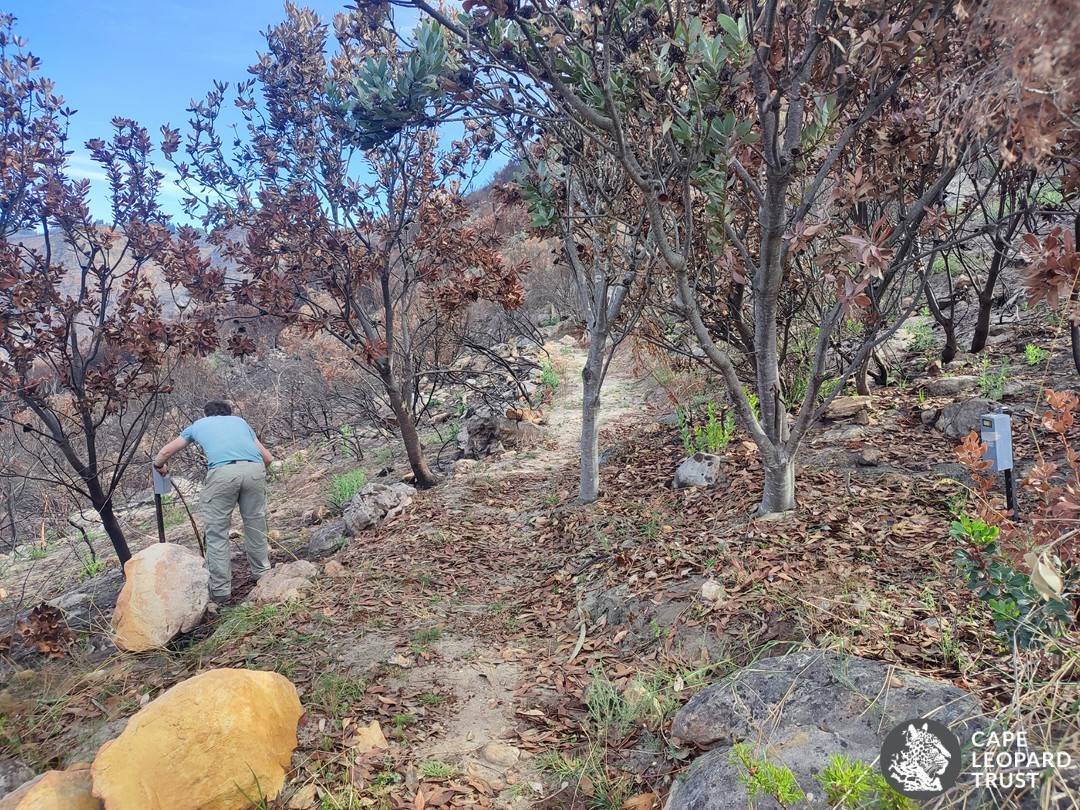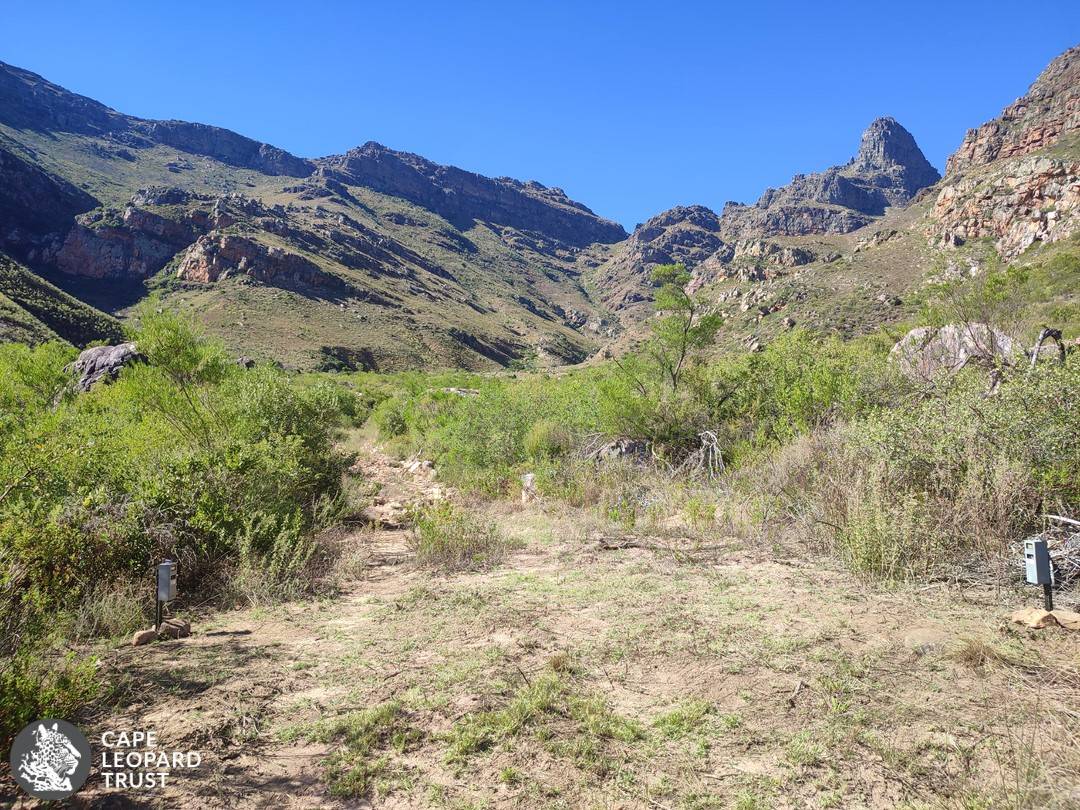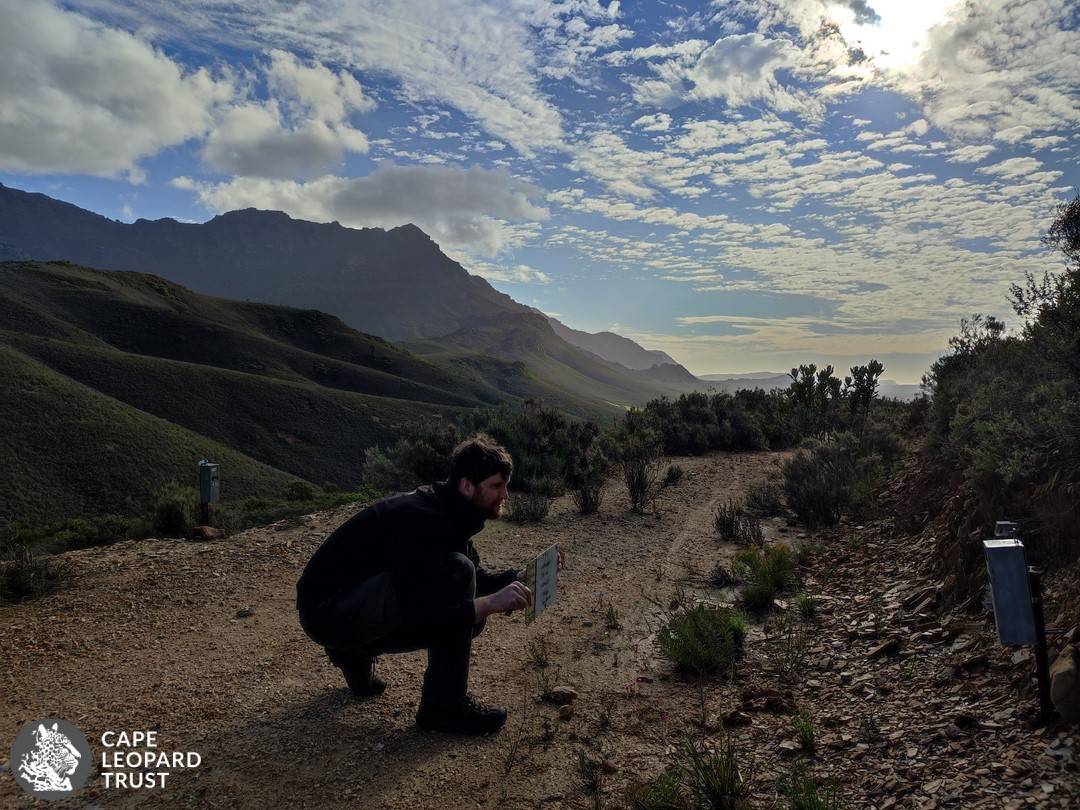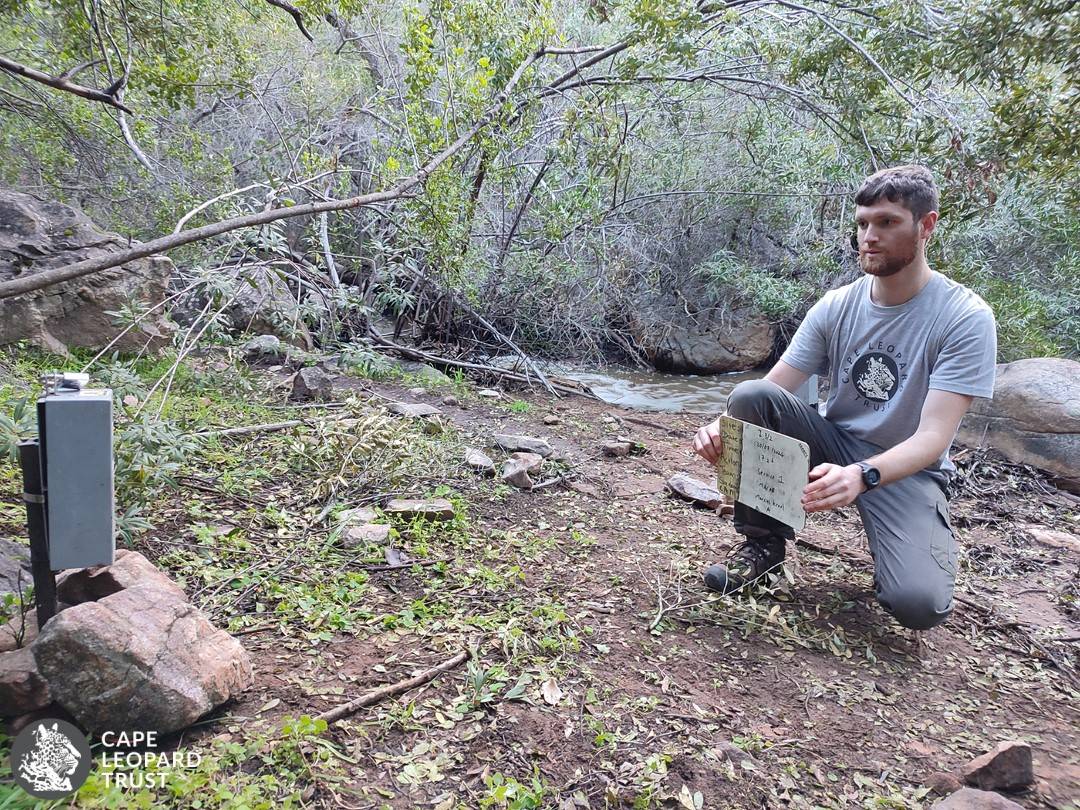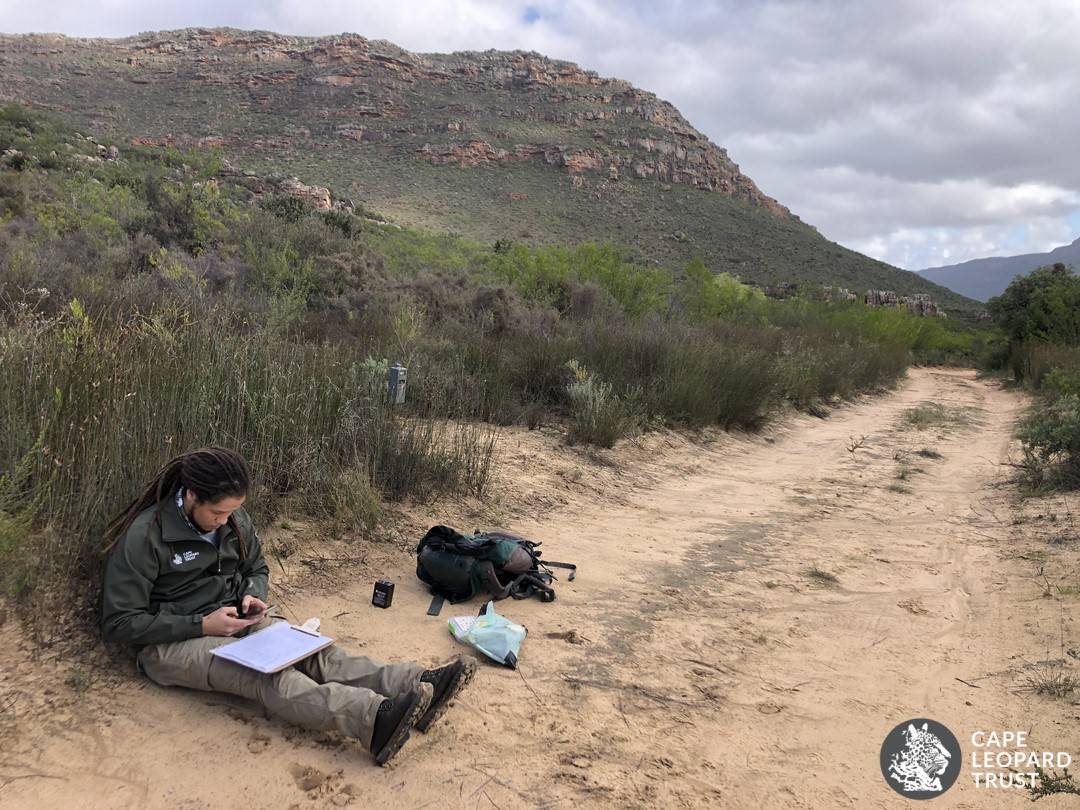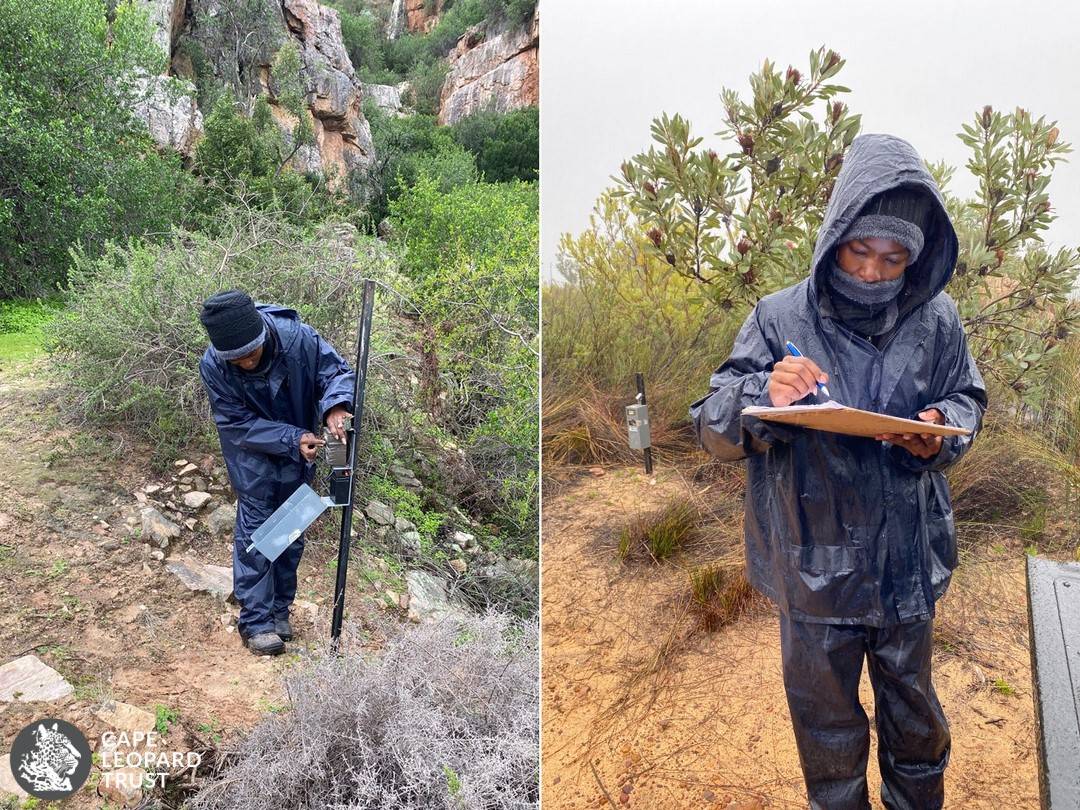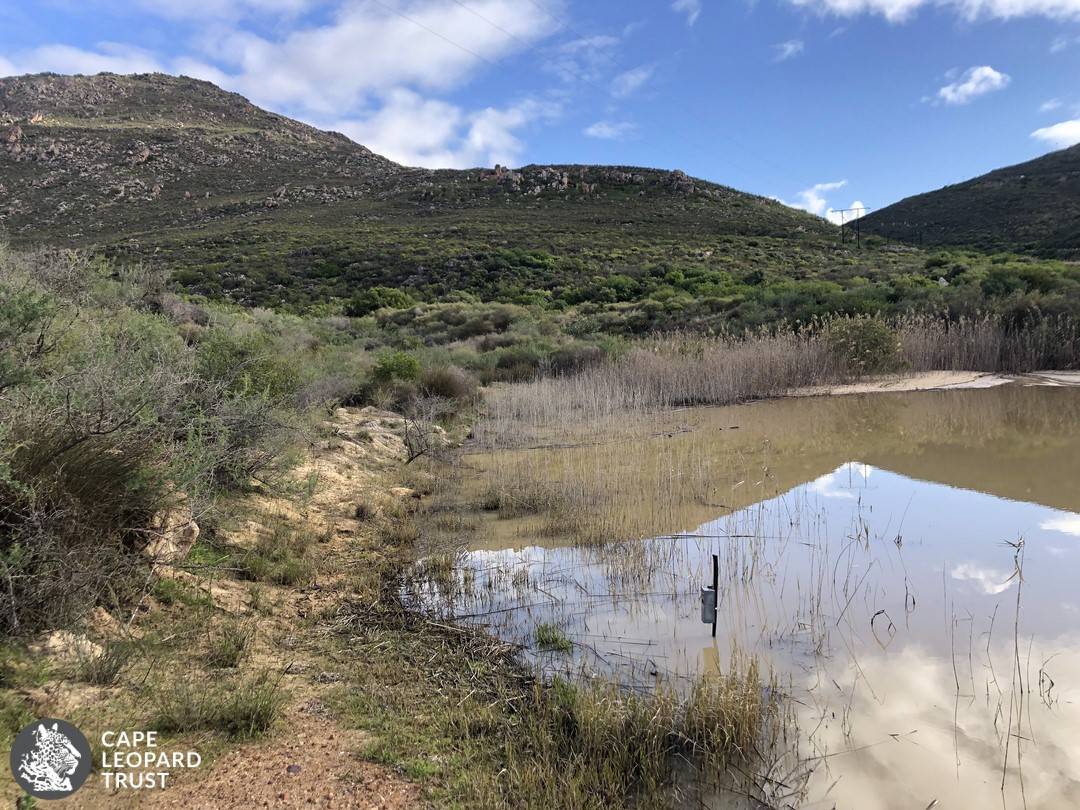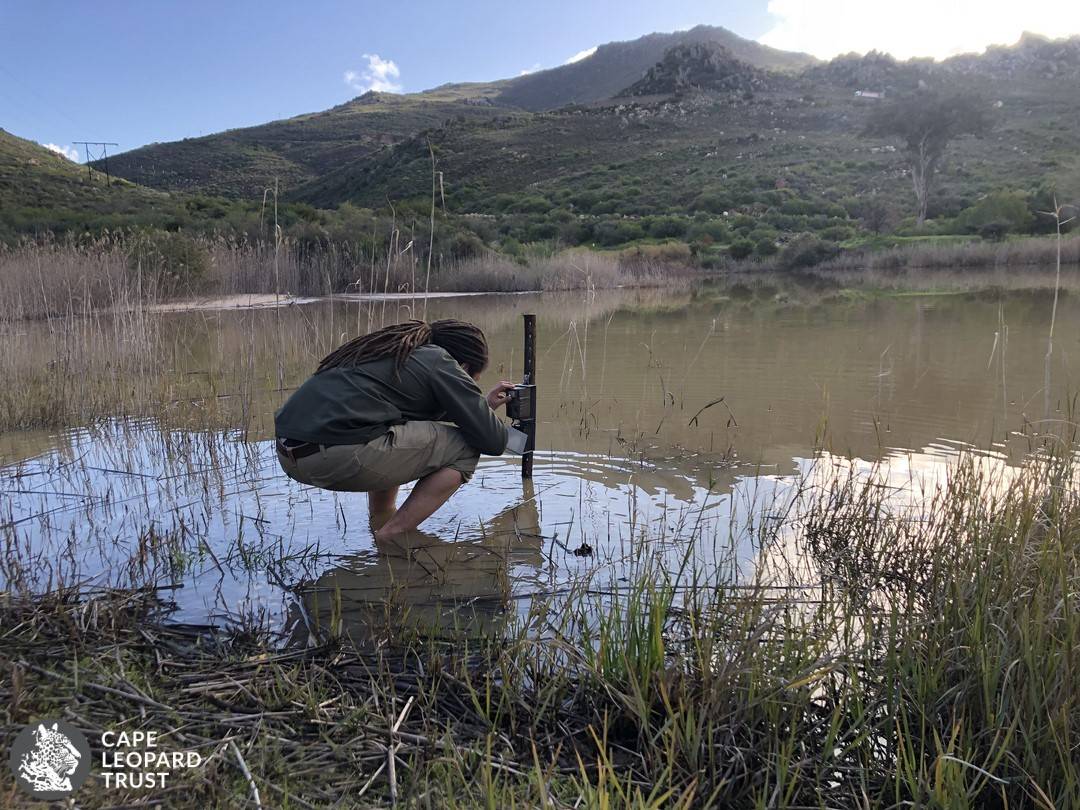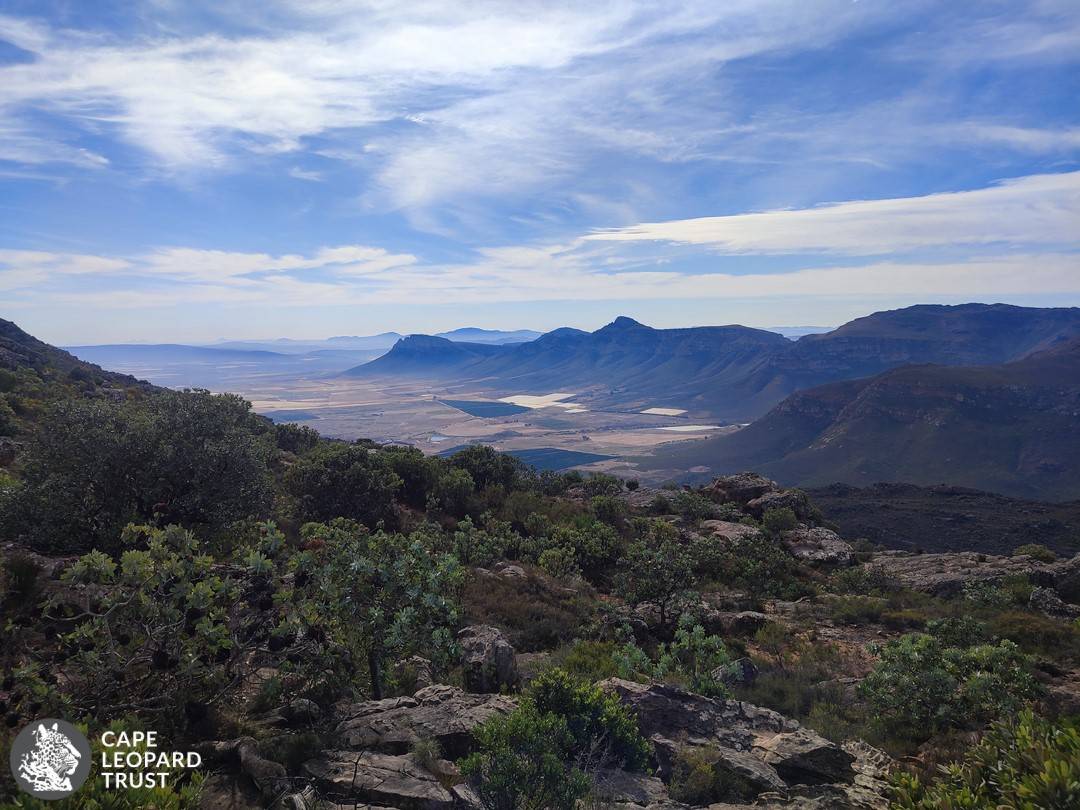

In recent years, the greater Piketberg and Olifantsrivier mountains, about 160 km northeast of Cape Town, emerged as a region of interest in terms of leopard presence. The area is mostly unprotected, and the leopards are entirely free-roaming. Farming practices include wheat, tea, citrus, livestock, and mixed farming. During 2019-2020, the CLT together with a post-graduate student, conducted a large-scale camera survey here to obtain the first accurate estimate of leopard density. We are currently conducting another extensive camera trap survey to generate an up-to-date density estimate that will be compared to the previous value. This will provide an indication of possible changes in the Piketberg leopard population over time, and enable us to apply the necessary conservation interventions in partnership with the local community and conservation organisations.
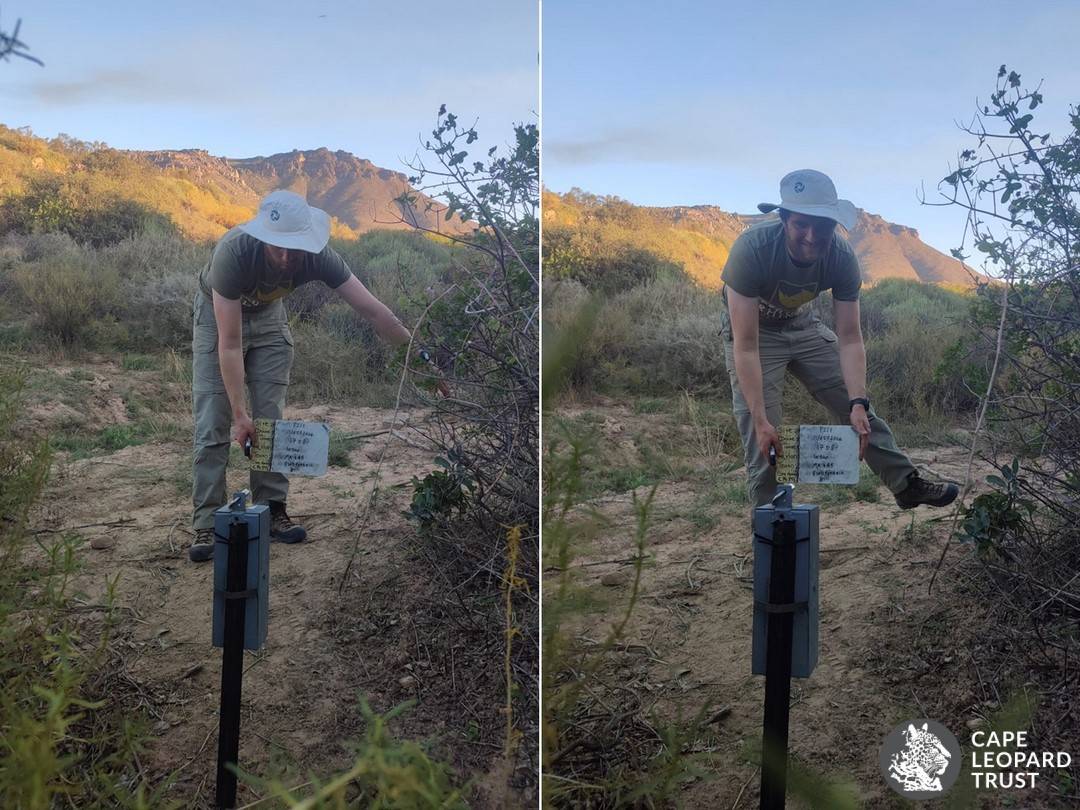
The total survey consists of 74 paired camera stations distributed across ± 1500 km2 of the Piketberg landscape, involving more than 55 private landowners and properties. As always, the CLT is extremely grateful for the willing participation of so many landowners in granting us access to do our research! Many establishments are also supporting the field teams with sponsored and discounted accommodation, for which we are very thankful!
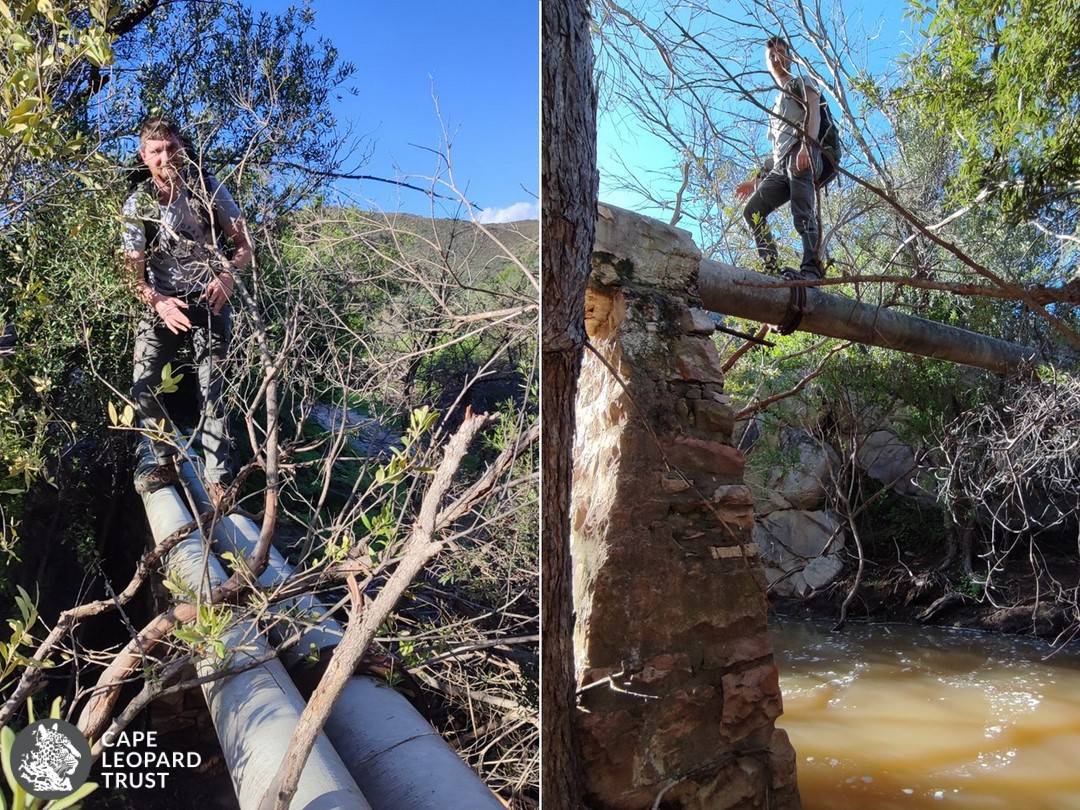
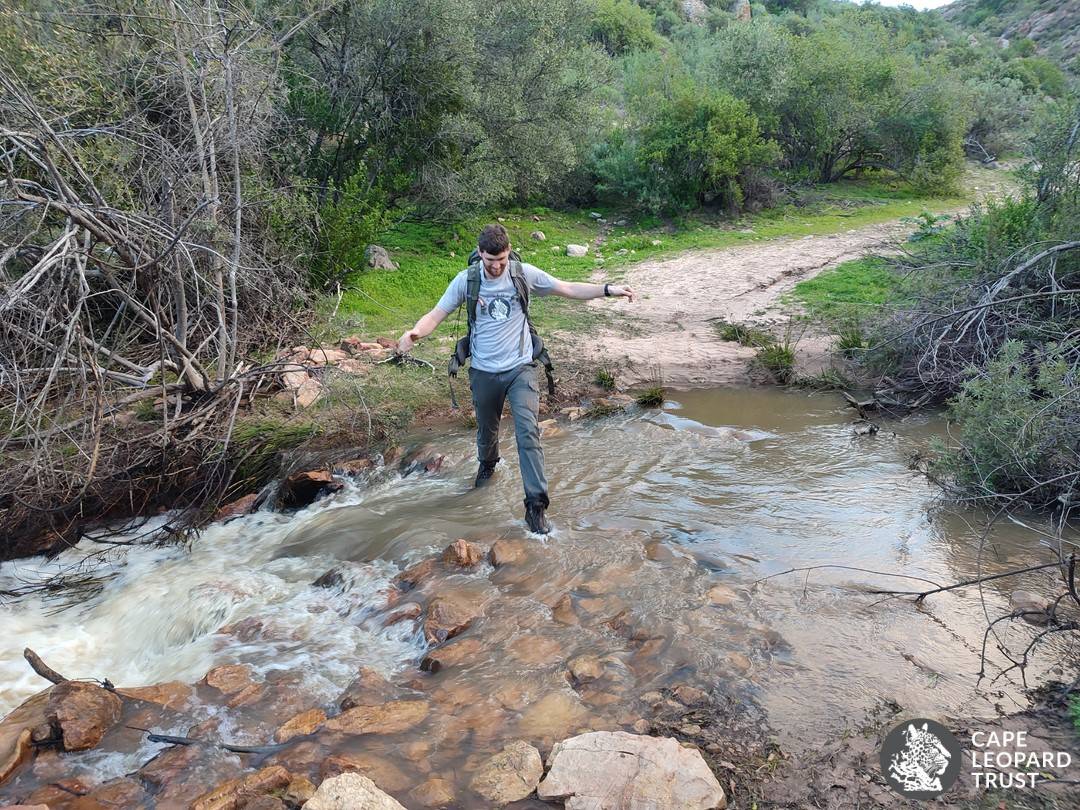
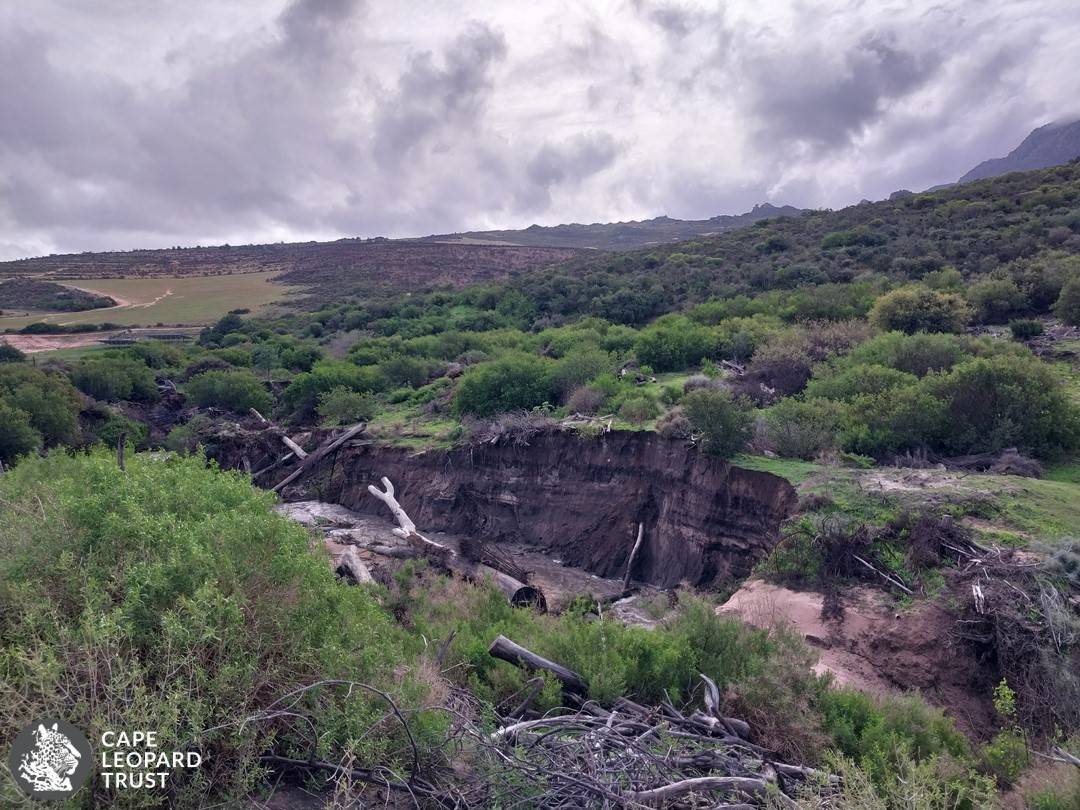
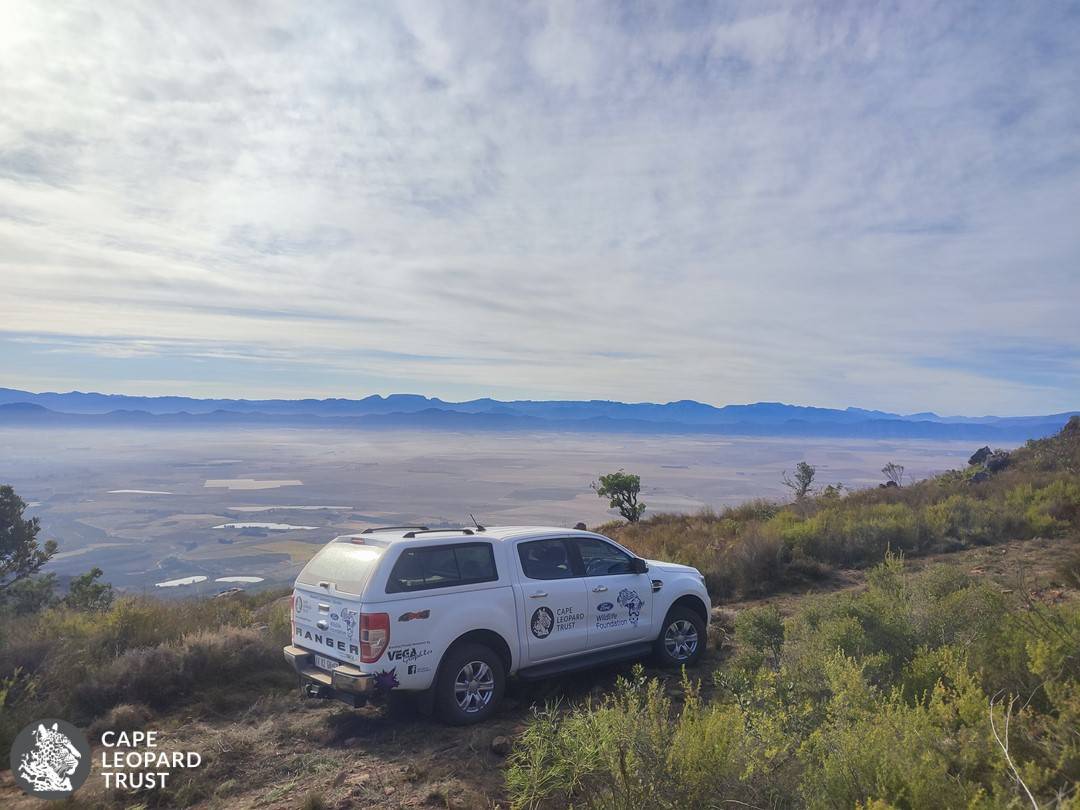
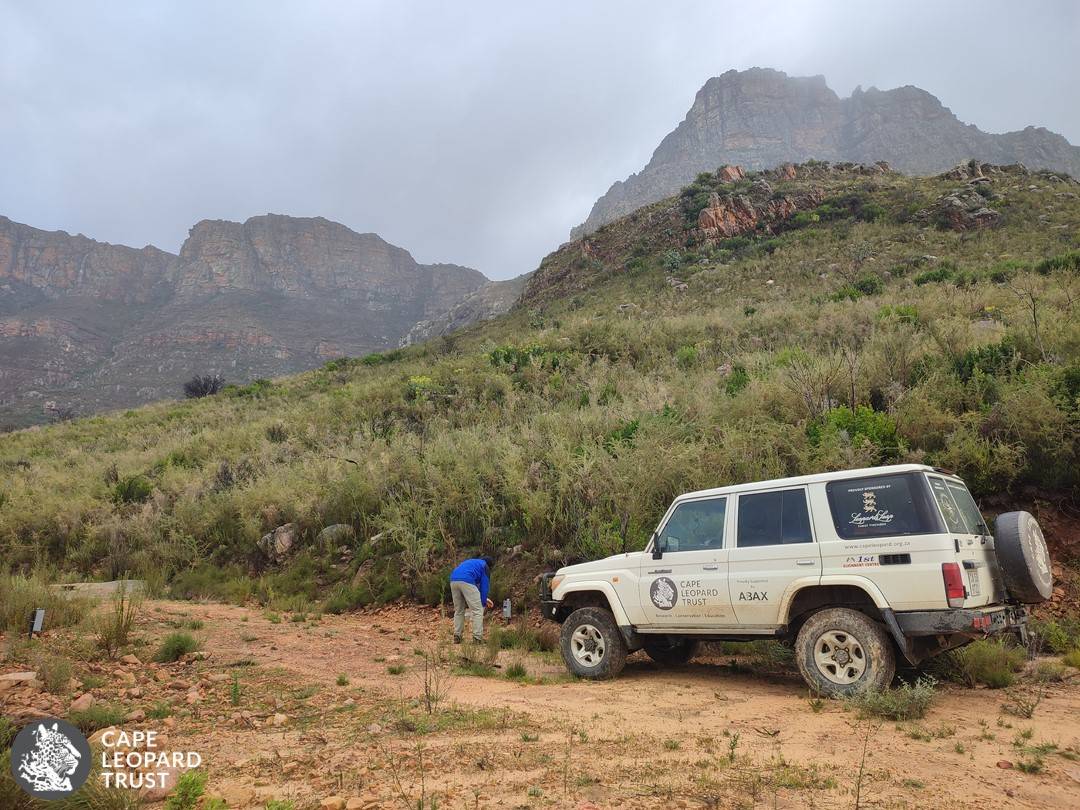
The survey has not been without its challenges, with the region experiencing one of its wettest winters on record. Fortunately, we did not lose cameras again to flooding as had happened in the Cederberg in 2023, but many sites were inaccessible for periods due to storm damage, and fieldwork schedules had to be adapted and re-adapted in response to inclement weather and impassable roads. The field teams will surely remember this survey as the muddiest yet, as they got stuck in very deep soft quagmires on more than one occasion! We are also enormously thankful to Ford Wildlife Foundation for our sponsored Ranger, and to the Land Cruiser Club – Southern Africa for keeping Witblitz the Cruiser in tiptop shape. Reliable off-road vehicles are an indispensable part of field-based research!
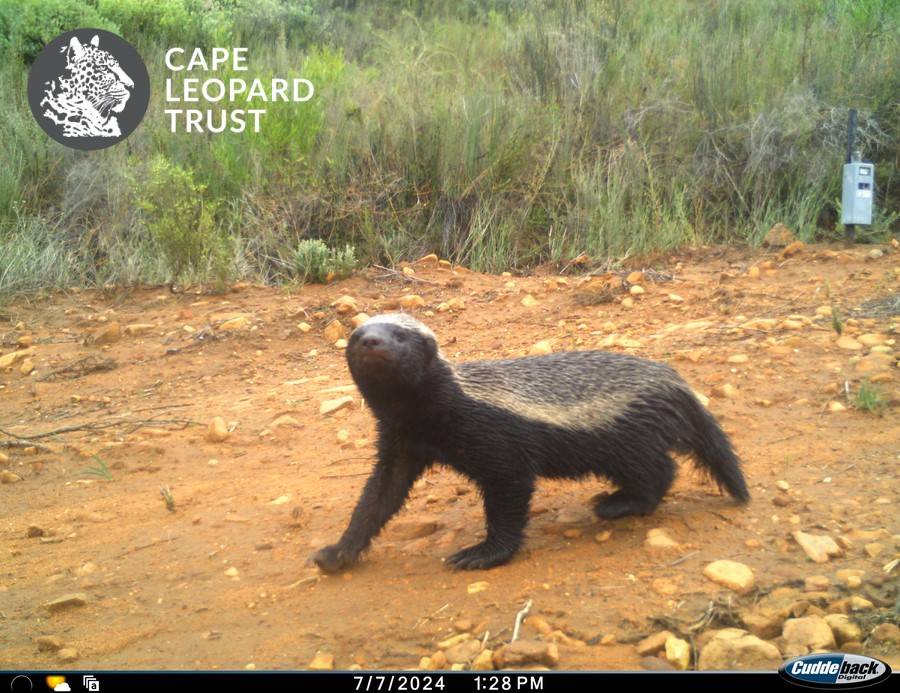
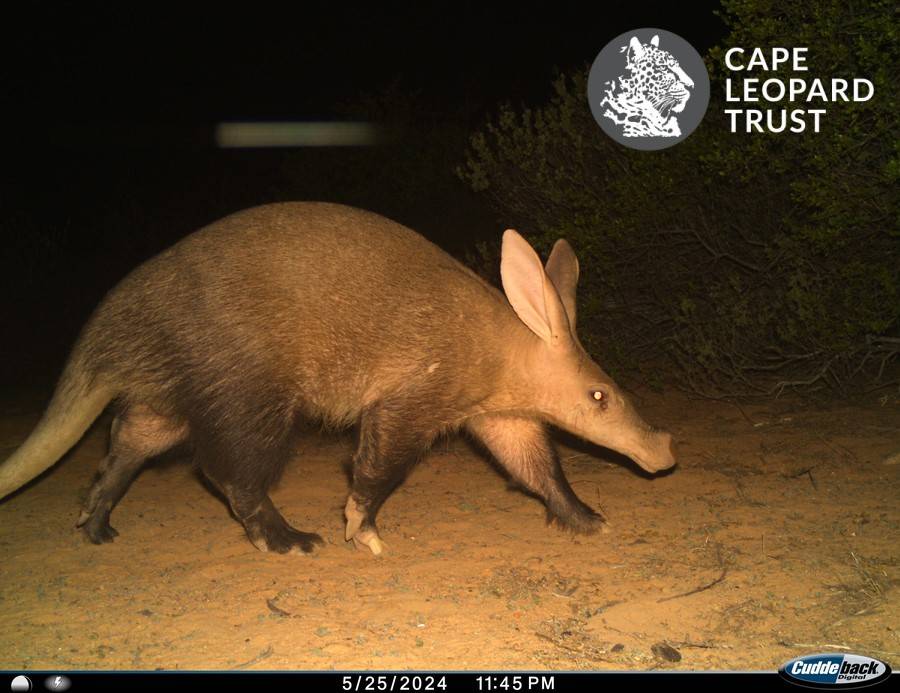
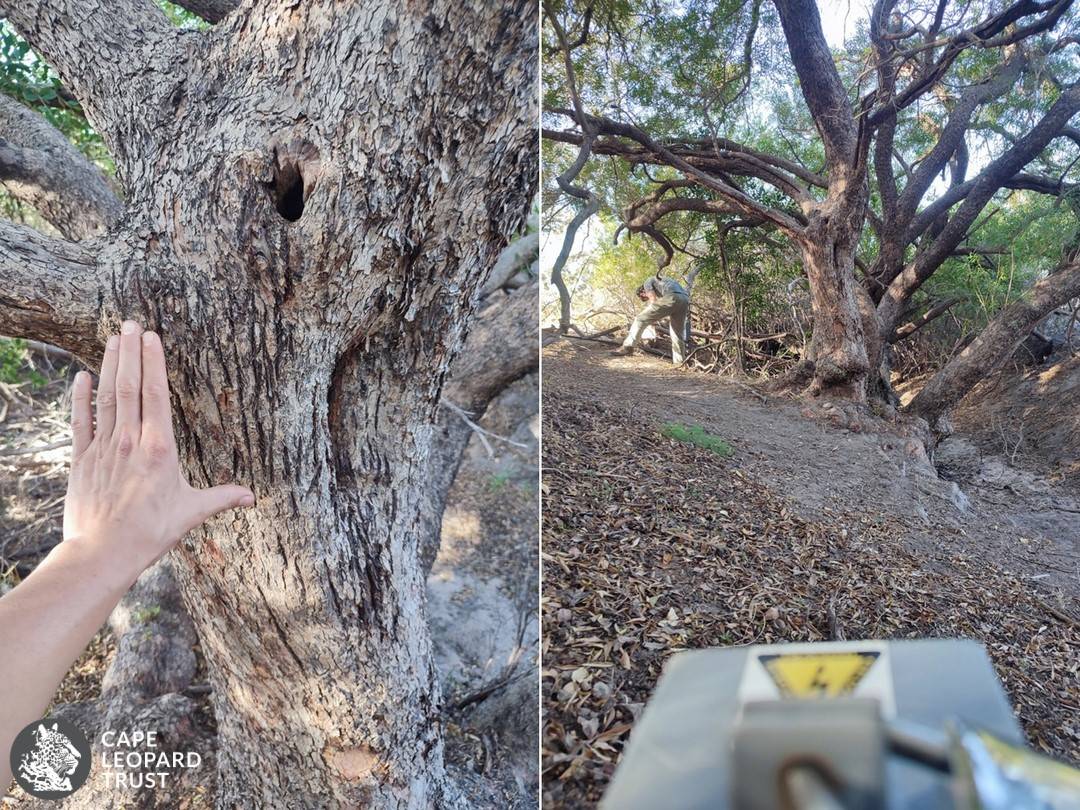
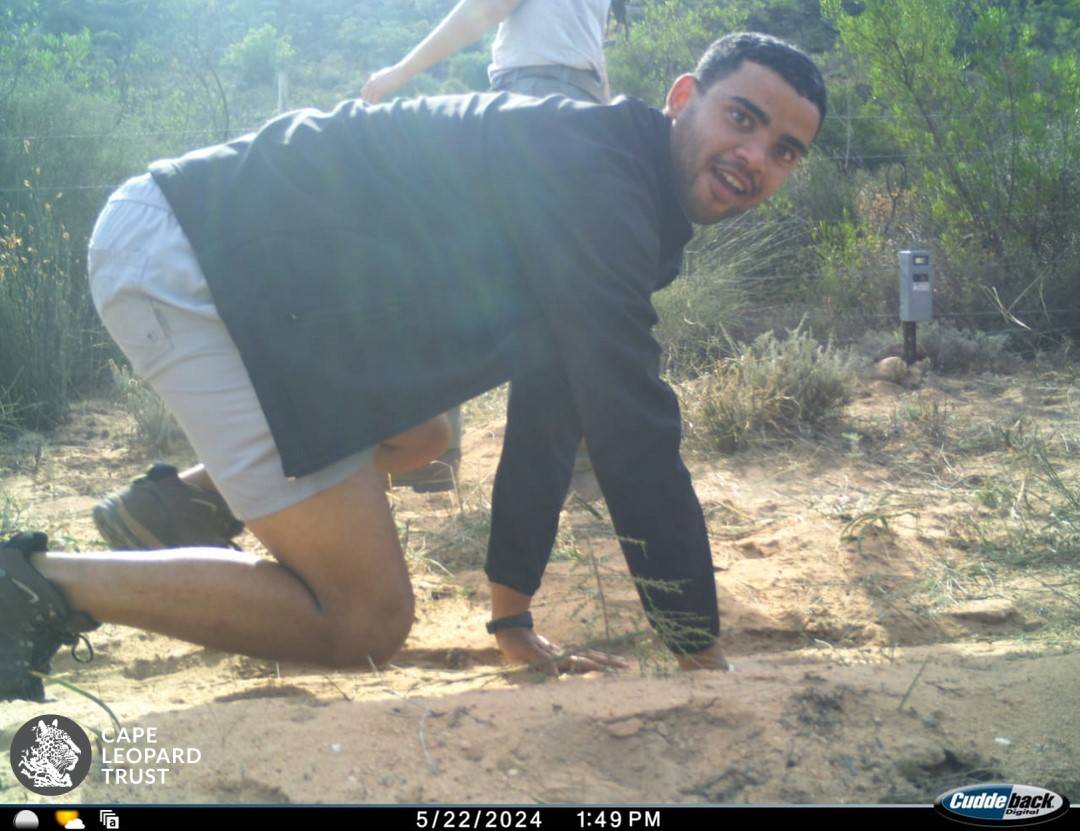
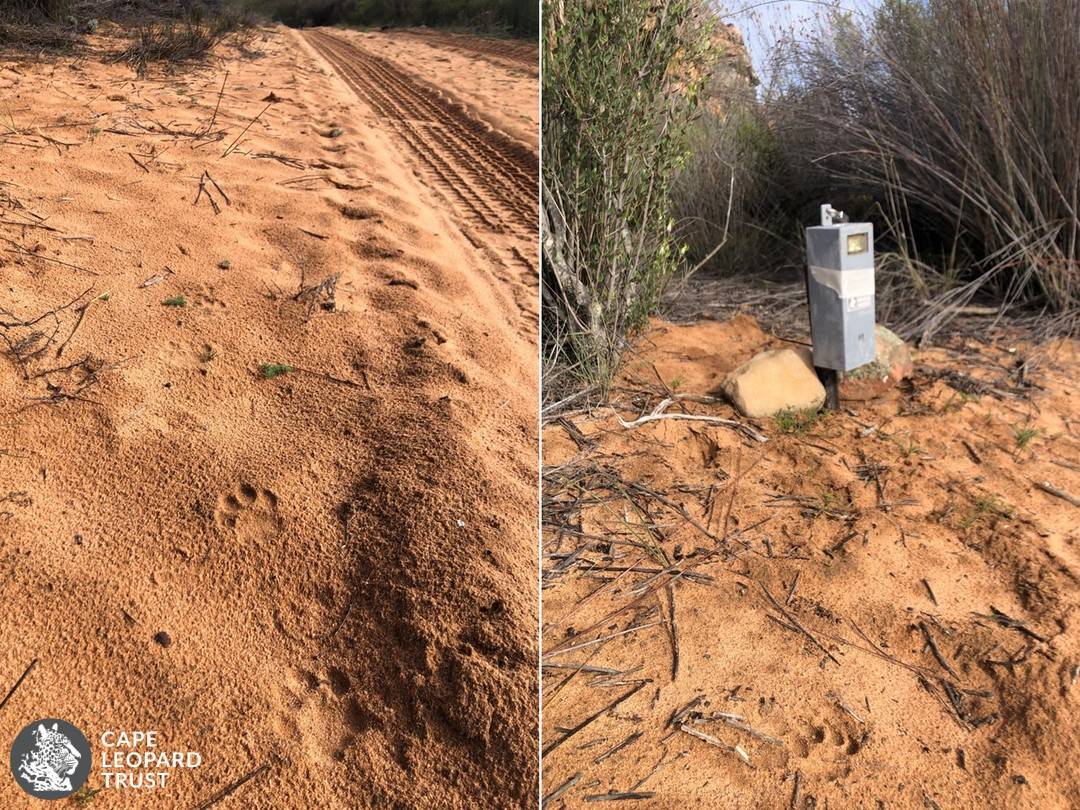
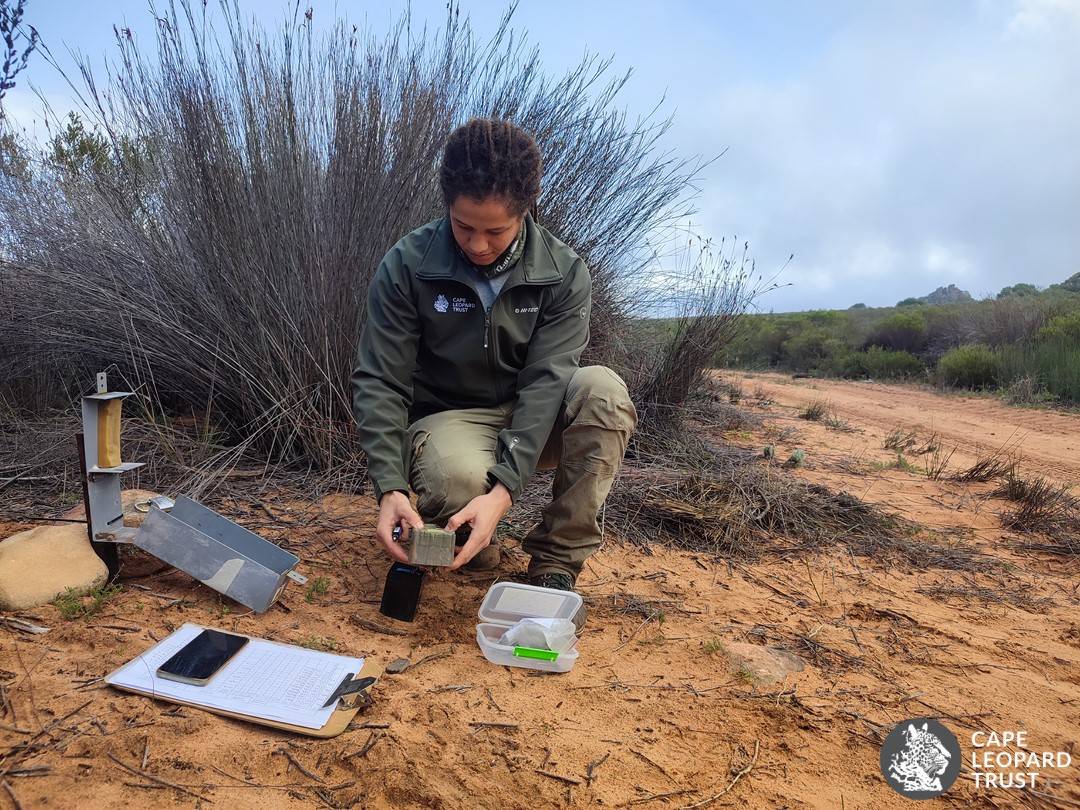
Enjoy some fieldwork and animal highlights in the photo gallery below, and watch this space for another update once the survey has concluded and the results are in!