
Mapping habitats and identifying corridors
In areas where natural habitat has been fragmented by urban, agricultural and other development, clearly defined spaces or corridors that connect the remaining intact habitat fragments are vital to maintain effective ecological connections. Protecting this connectivity across broad, transformed landscapes is essential for many species’ survival, especially wide-ranging species like leopards.
To investigate corridors for leopards, the CLT, in collaboration with Stellenbosch University (SU) and with funding from Jamma Conservation and Communities, has extensively modelled current suitable habitat for leopards in the Western Cape, and used that information to further model and map potential leopard movement pathways between core habitats across the region.
Subsequently, through a project with the Table Mountain Fund, the CLT along with partner organisation Conservation Outcomes have been engaging with landowners in three of these predicted leopard movement corridors. The aim is to protect these spaces and maintain or enable safe passage through them for leopards and other species.
Workshops to share knowledge and spark conversations
In-person interviews with landowners in these predicted corridors revealed that many of them face specific issues, including conflict with predators and problems with snaring. To start addressing this, the CLT invited landowners and other stakeholders to attend ‘Farming with Nature’ and ‘Snare Awareness’ workshops. These weren't just lectures; they encouraged interaction and conversation. Landowners shared their struggles, and conservationists offered practical, sustainable solutions. The workshops discussed everything from using non-lethal predation deterrents to understanding and preventing the devastating impact of snares on wildlife. During these workshops and via one-on-one conversations, Conservation Outcomes also shared information on biodiversity stewardship support. Ultimately, the workshops aimed to share knowledge, but equally forge relationships between landowners and conservation organisations.
BioBlitzes to document biodiversity
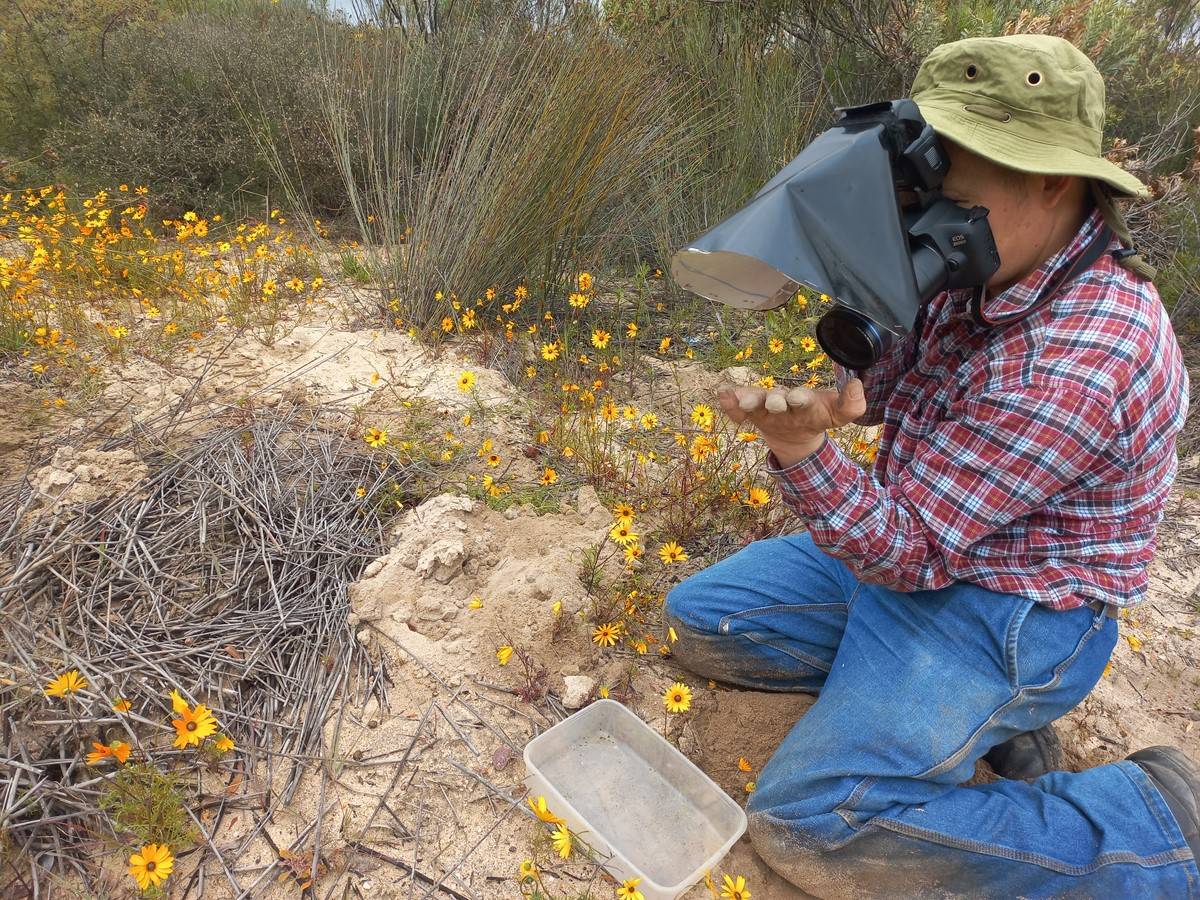
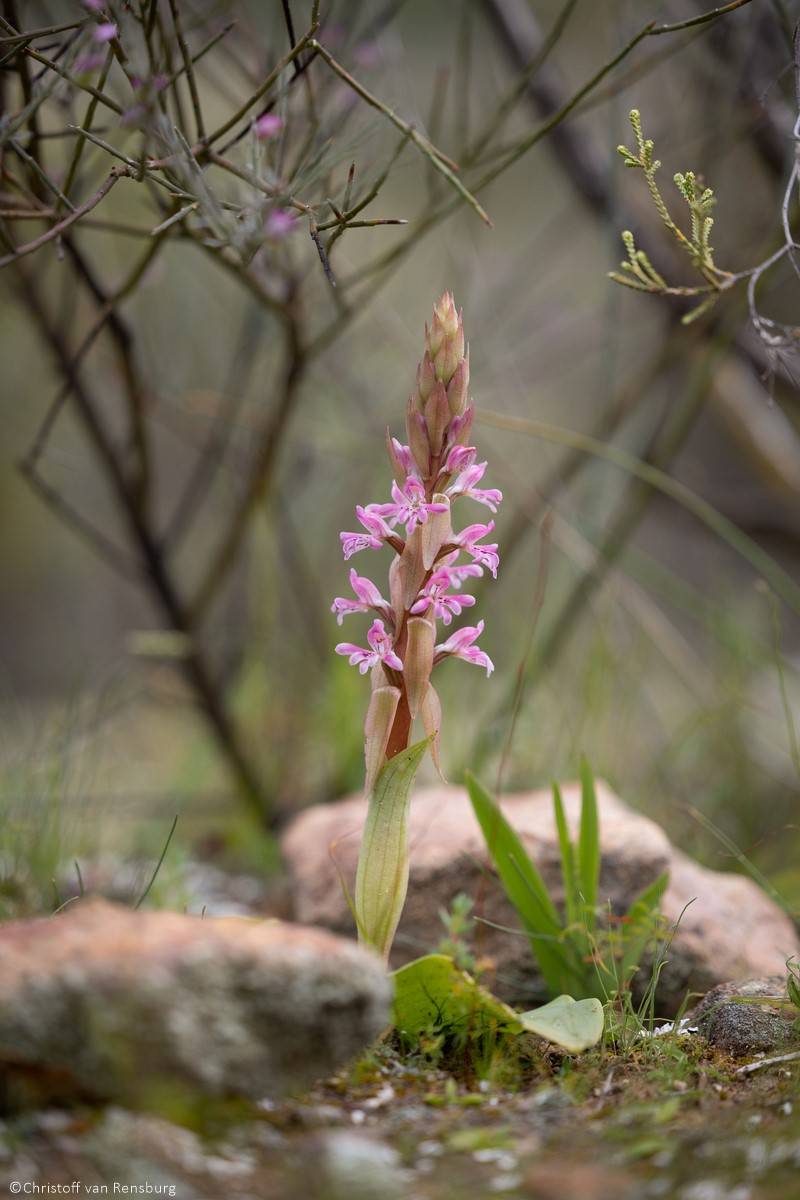
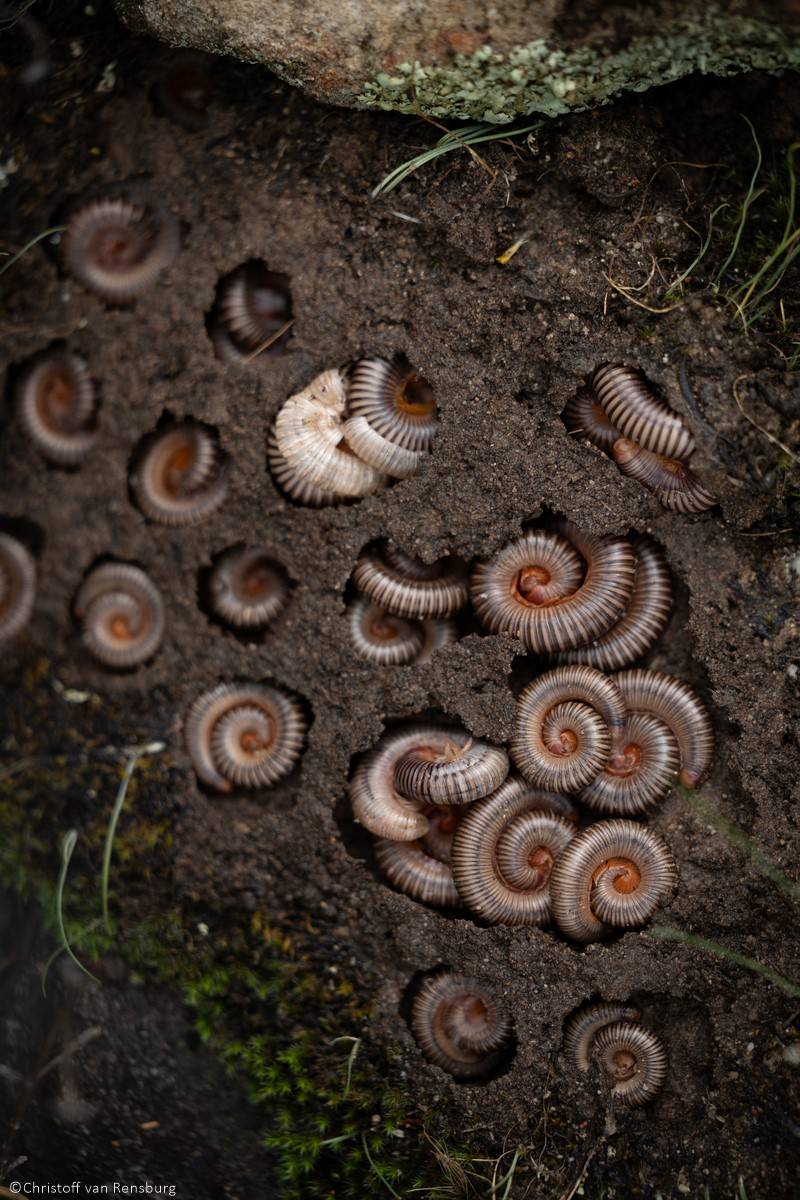
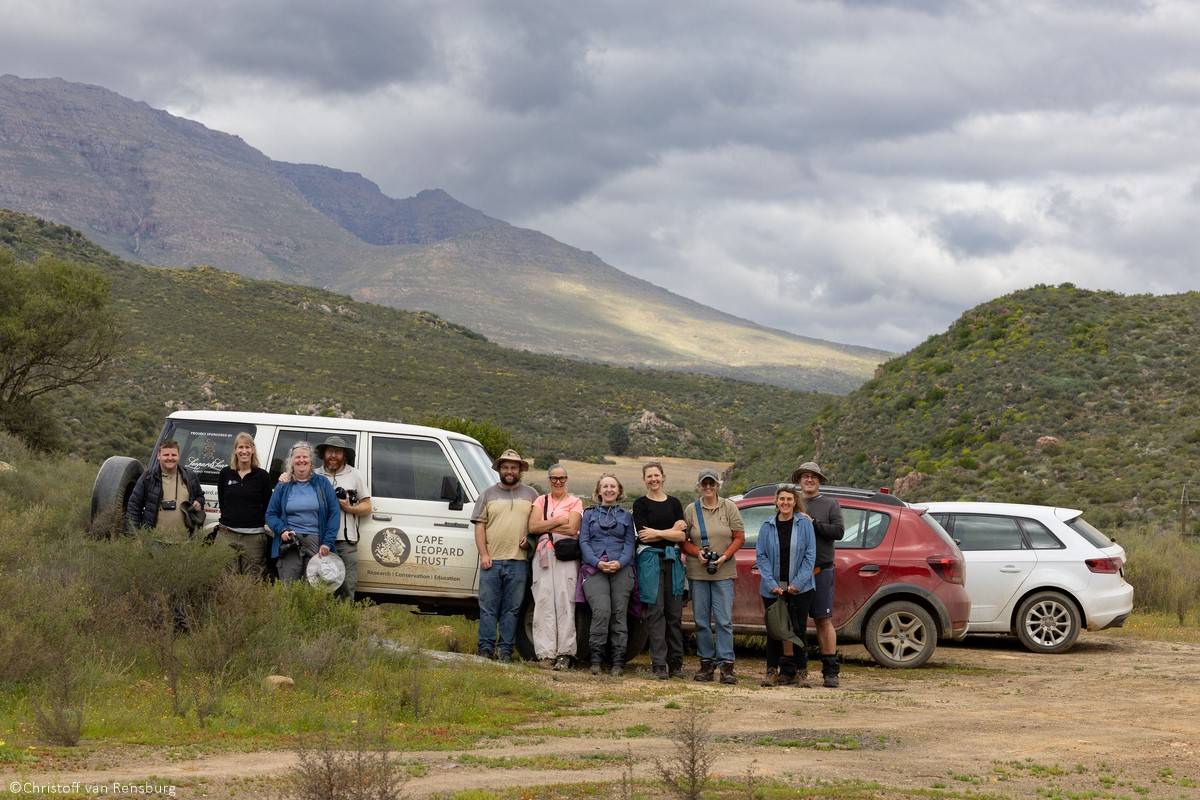
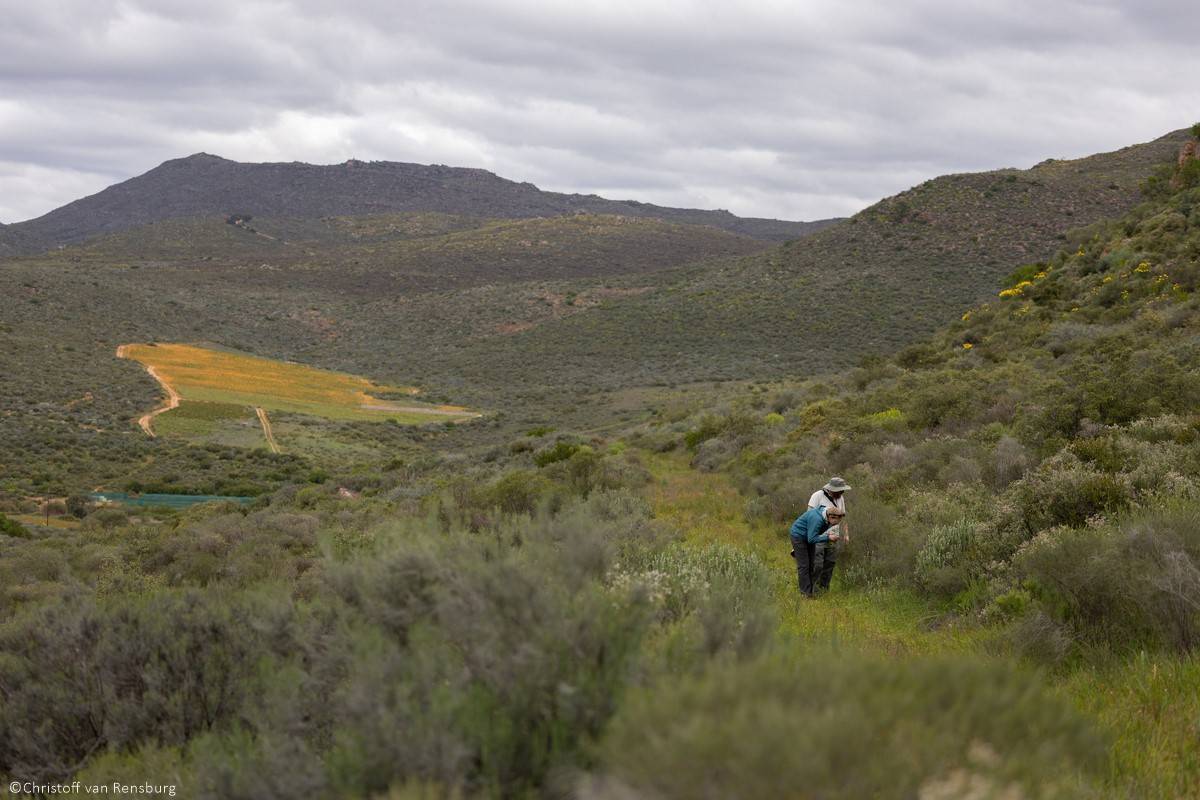
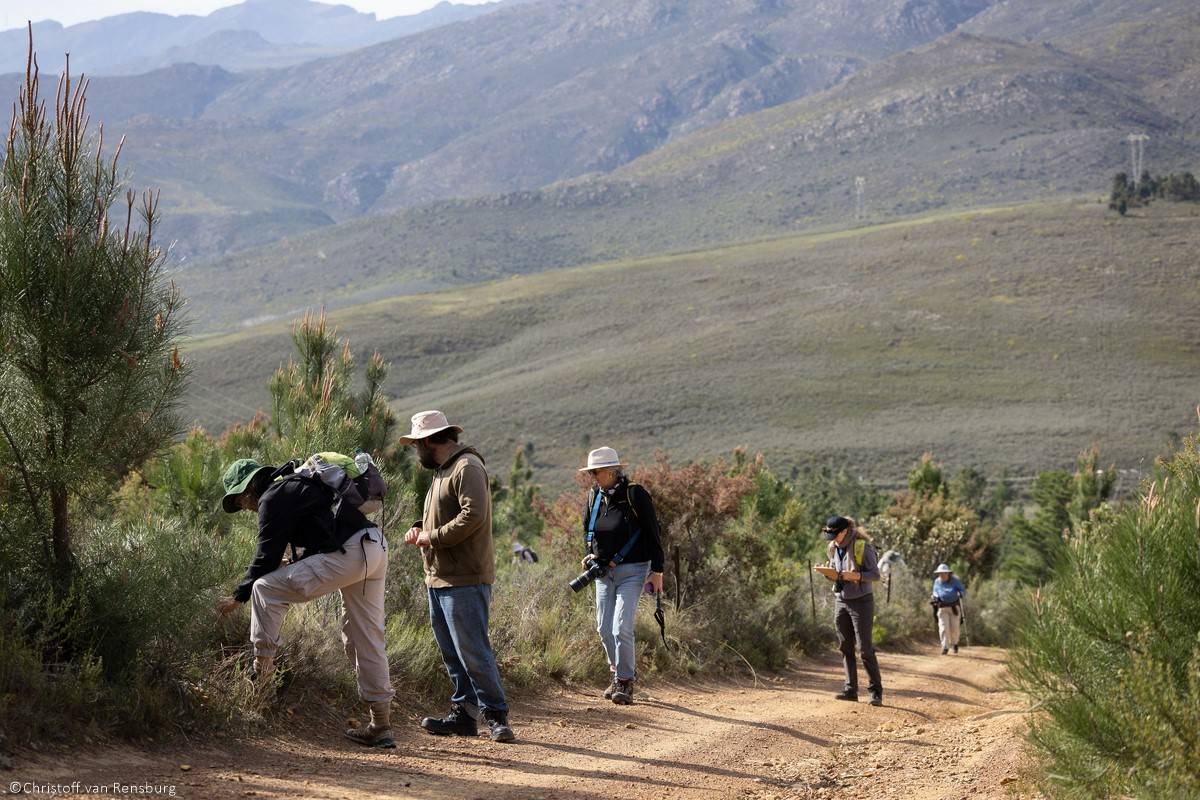
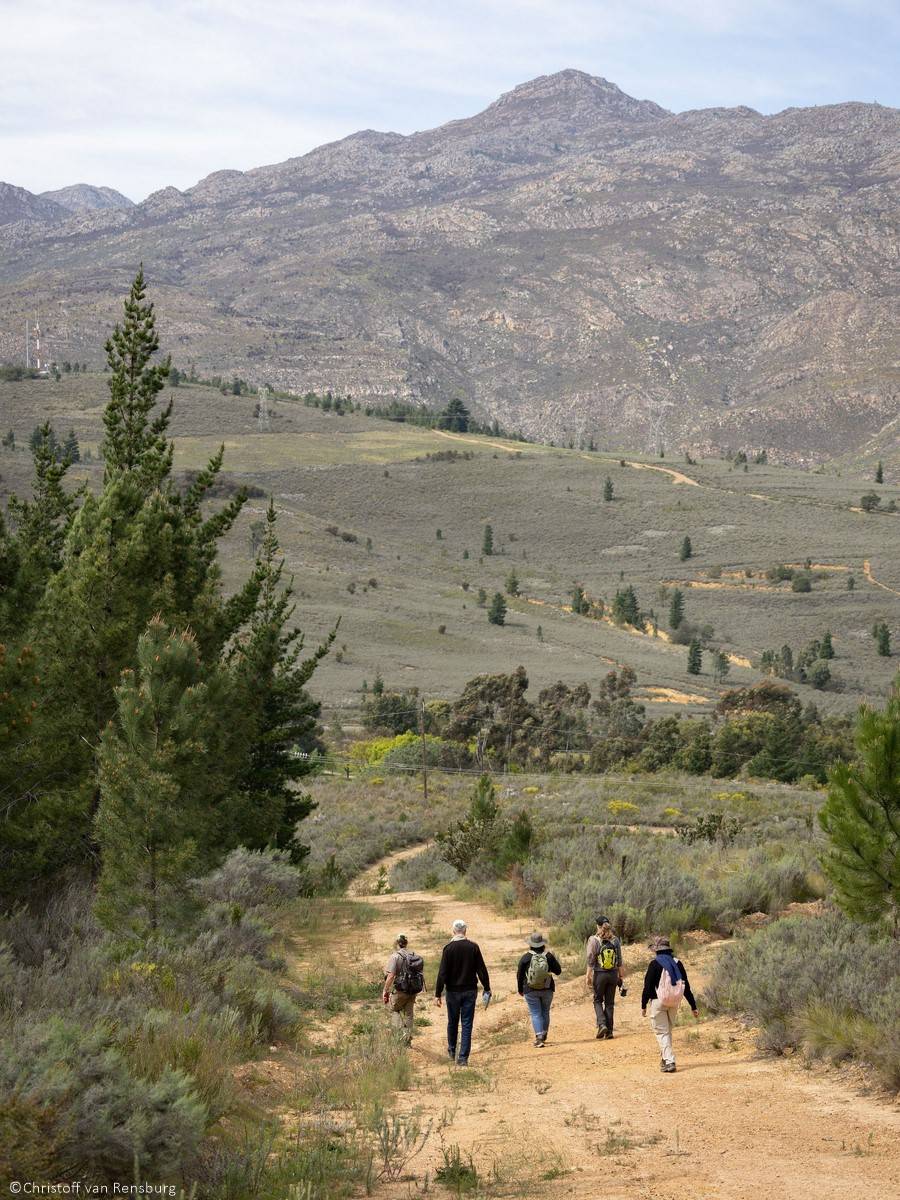
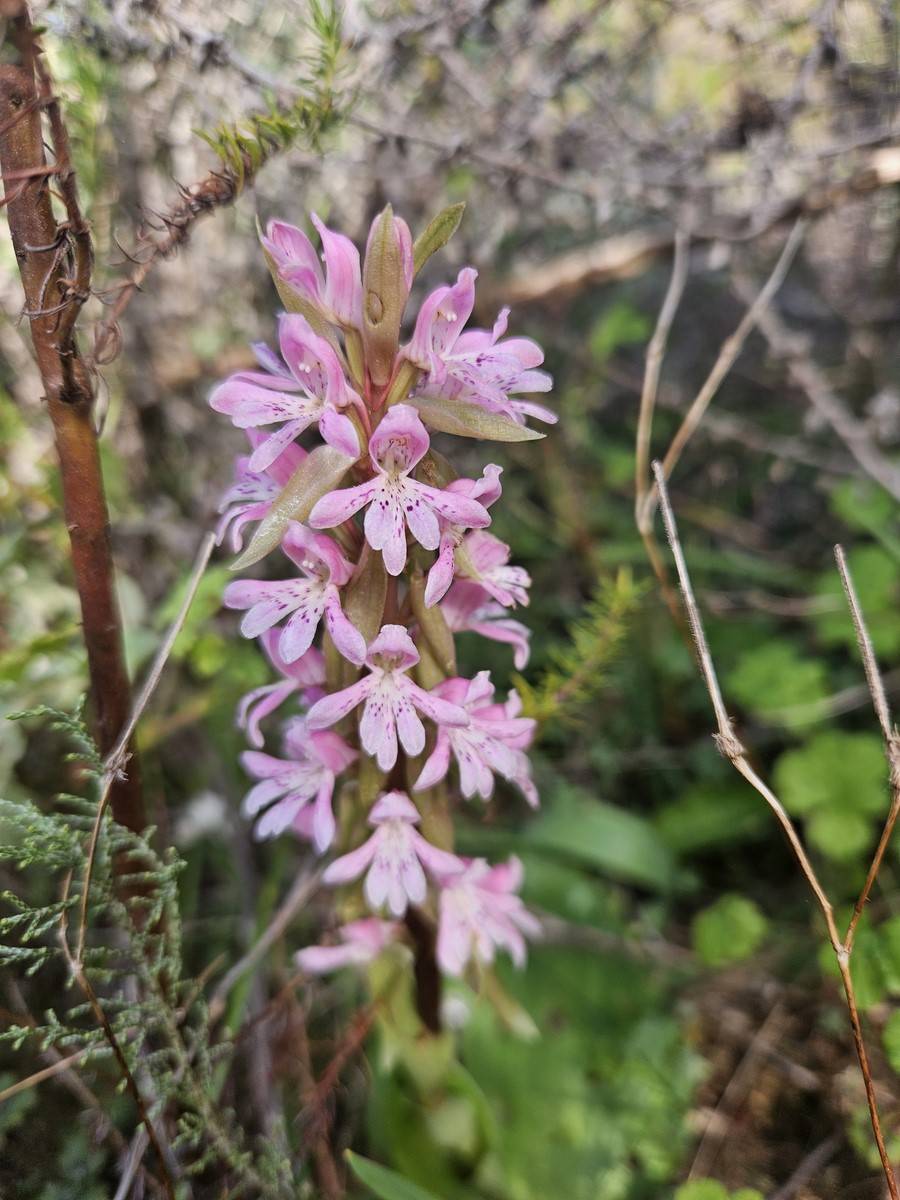
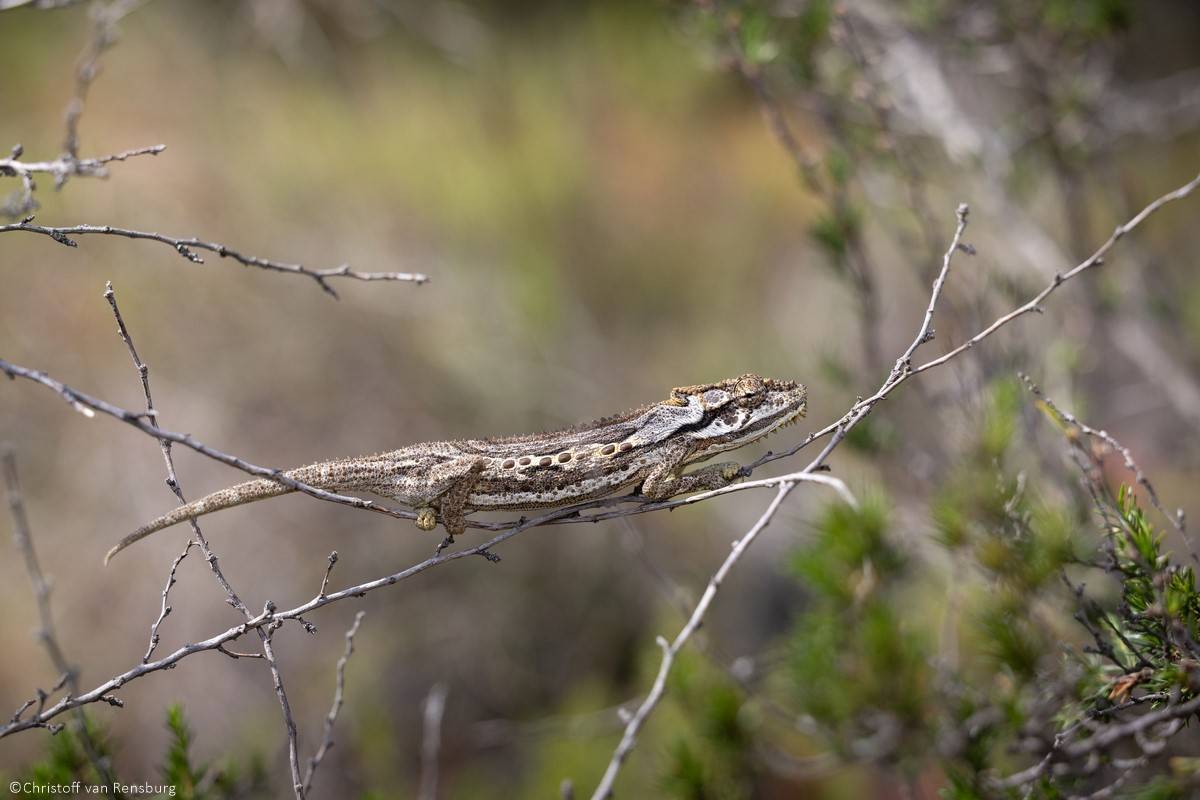
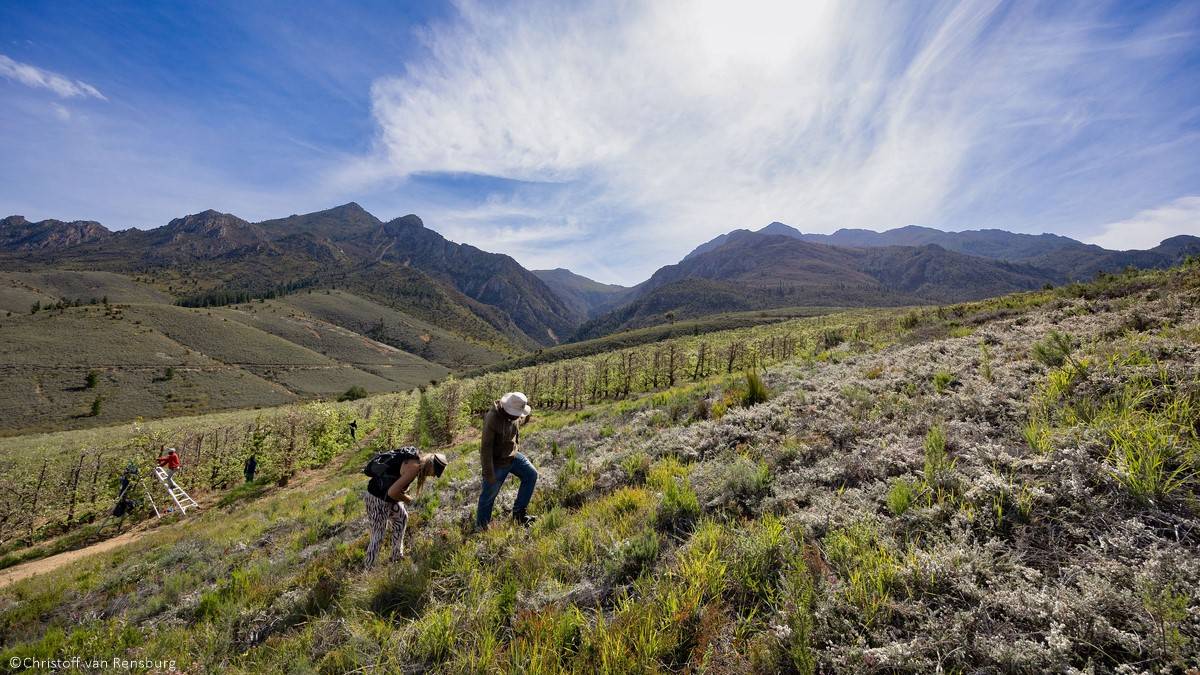
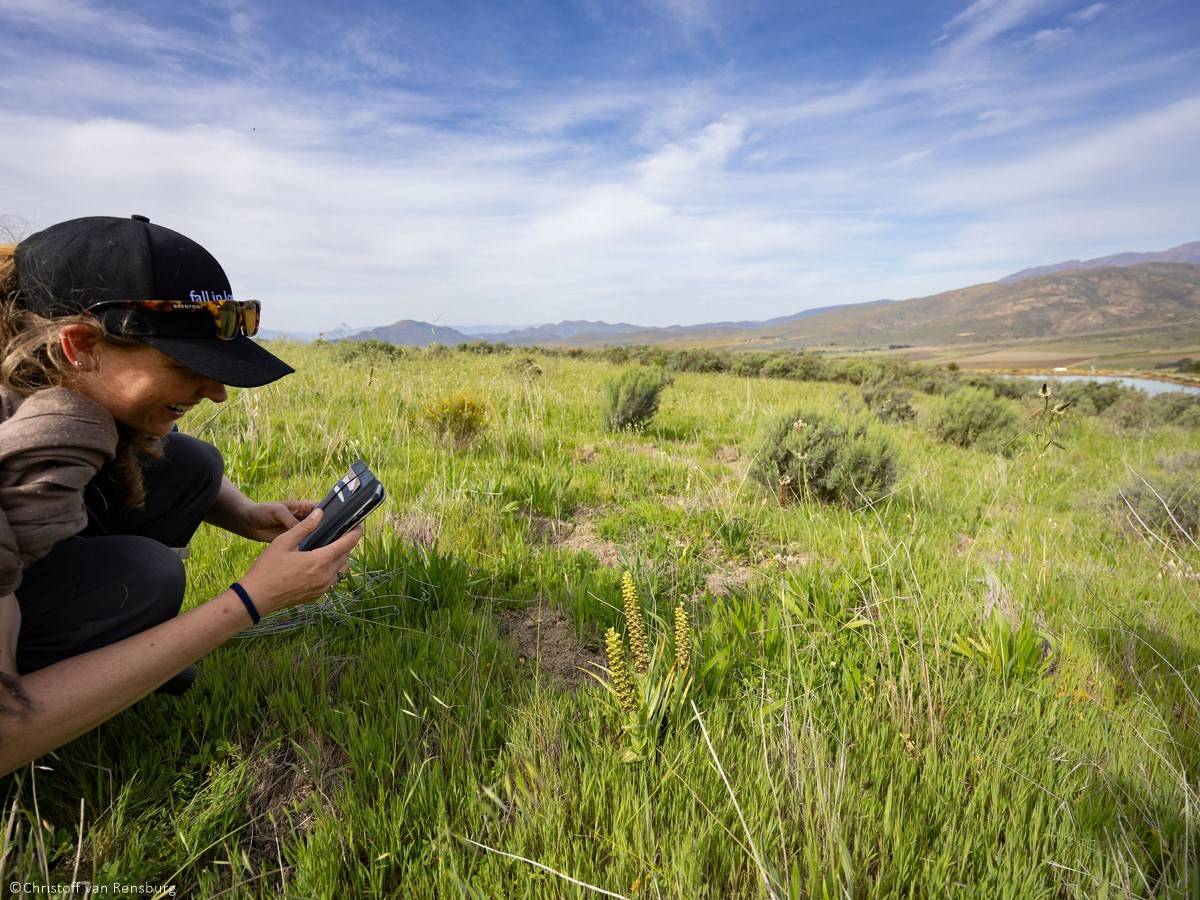
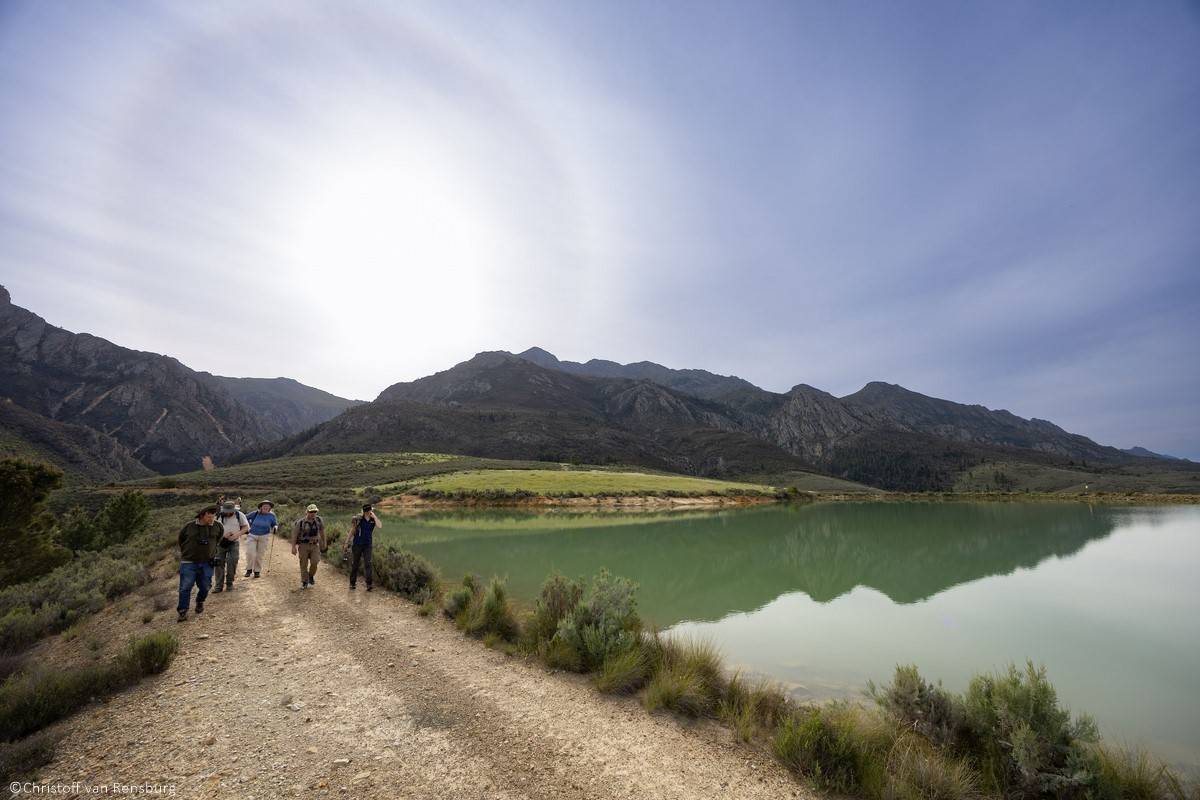
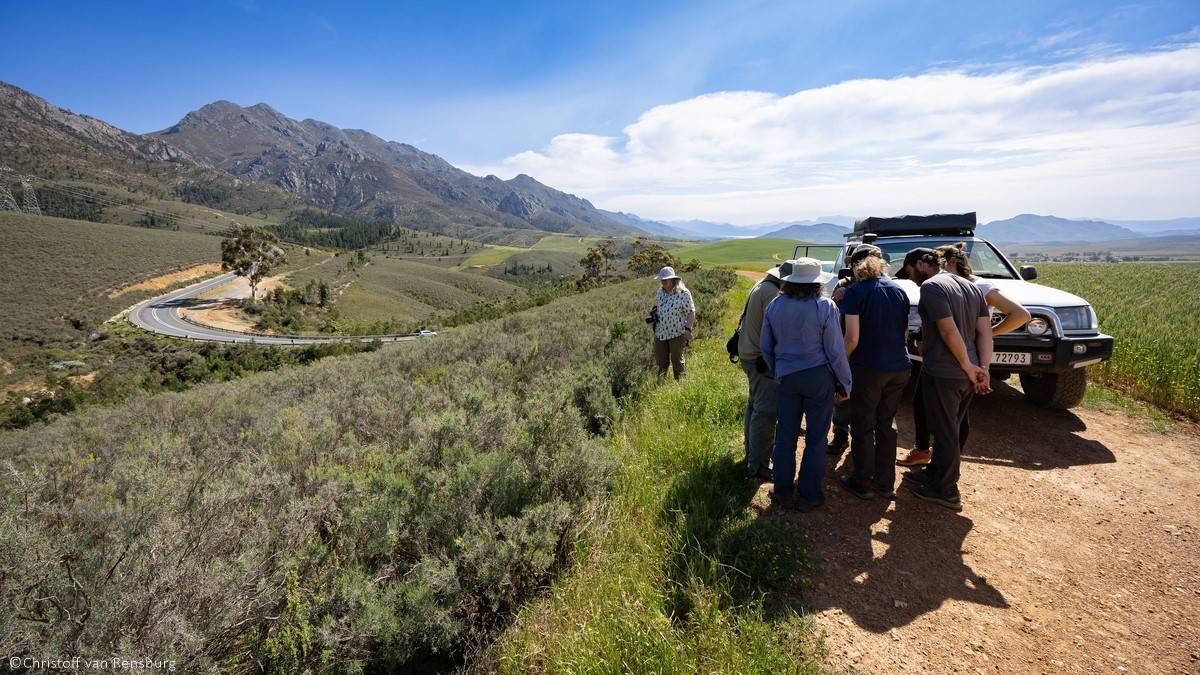
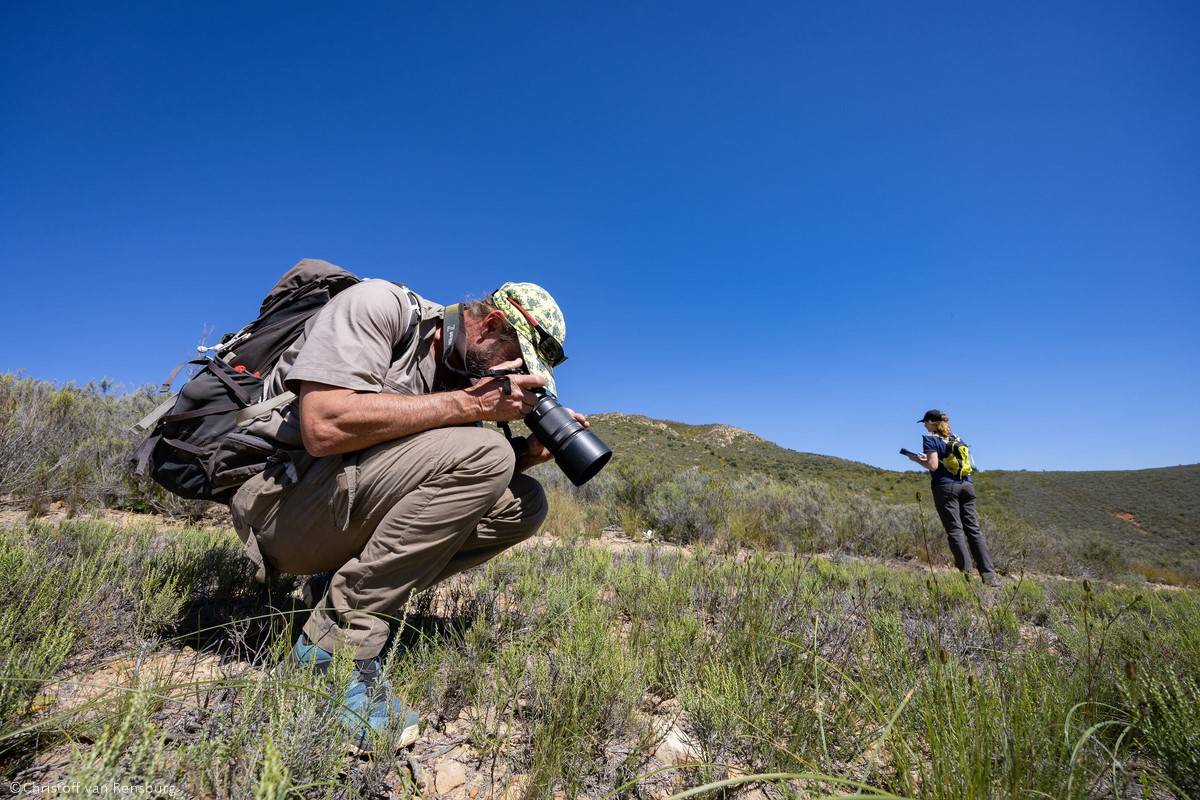
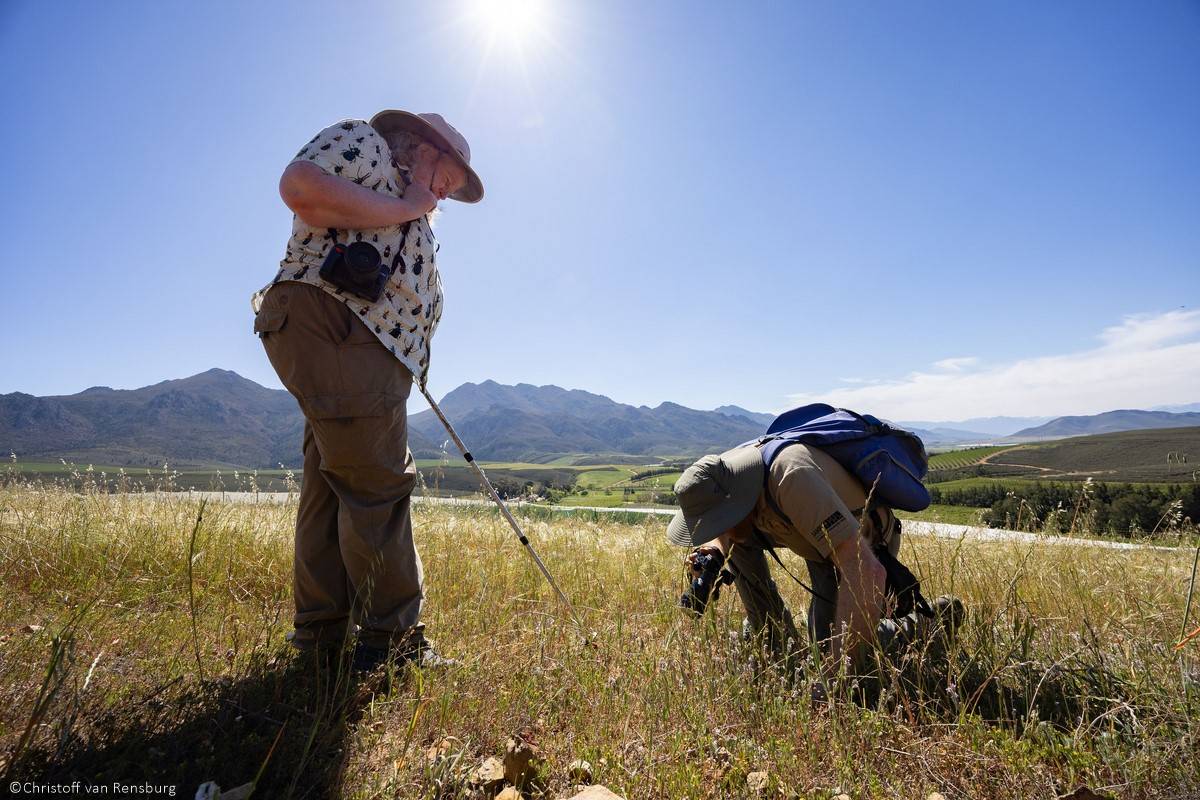
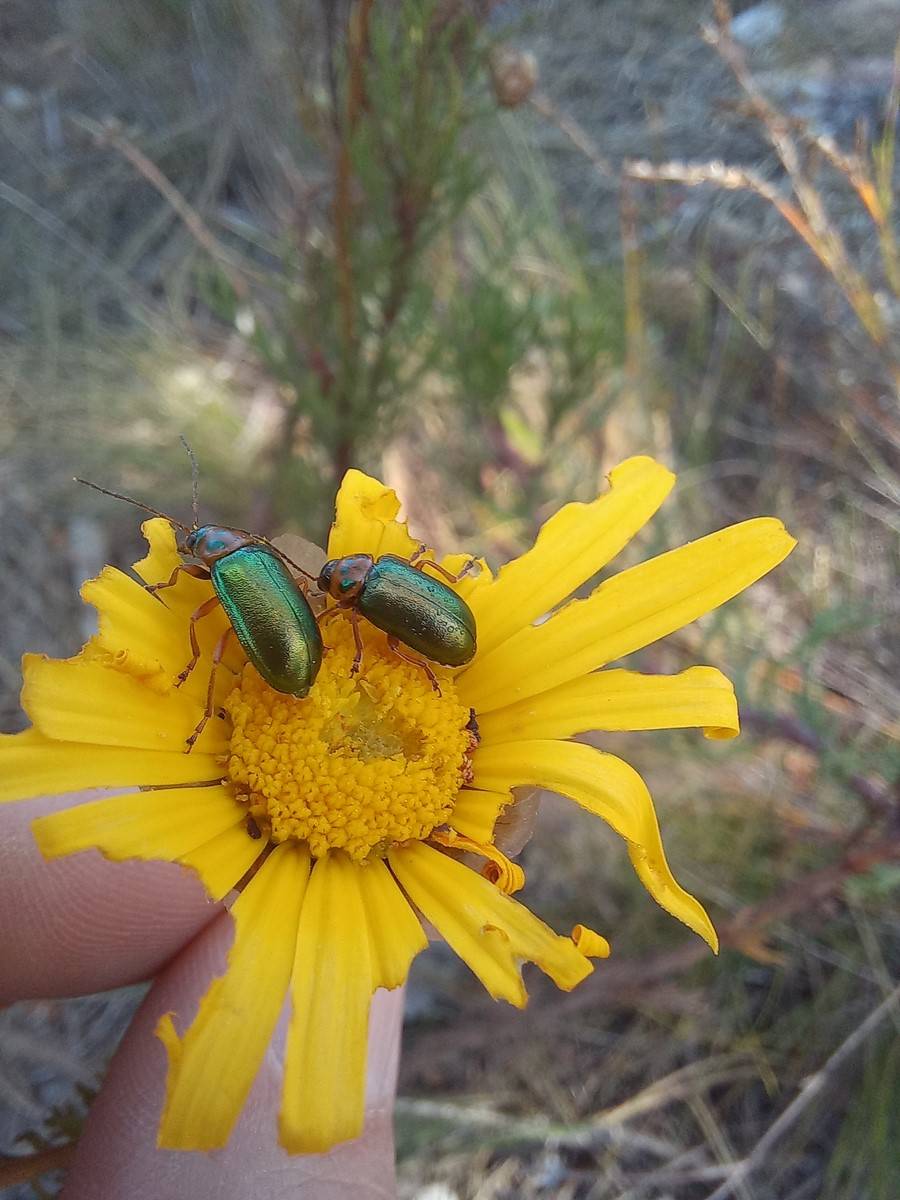
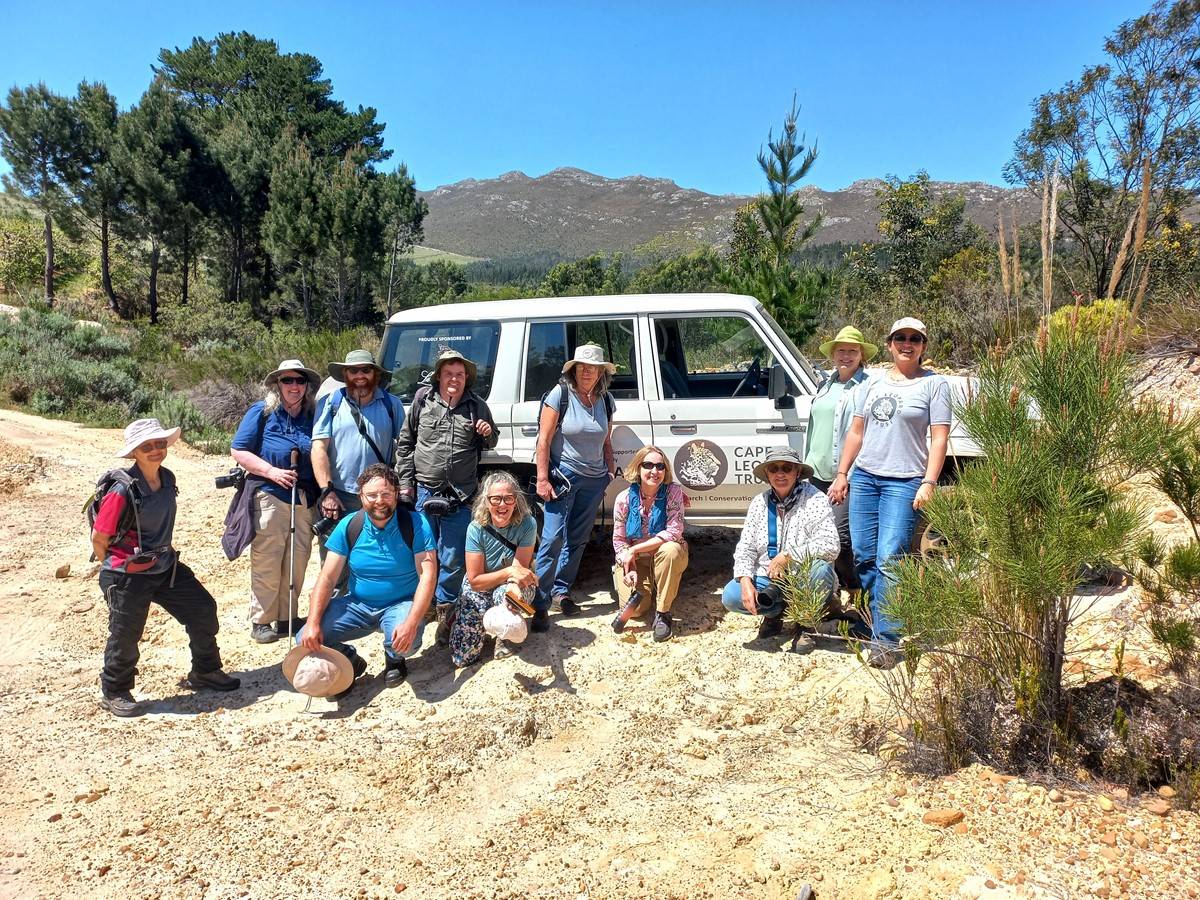
Prior camera trap surveys in the corridors (led by a postgraduate student with the CLT and SU) provided baseline knowledge of the mammal diversity in these areas. However, corridors are not only important for larger mammals. A series of biodiversity assessments or ‘BioBlitzes’, where biodiversity experts combed through properties within the corridors, uncovered a deeper understanding of the biological value of these spaces. The three BioBlitzes resulted in the recording of hundreds of species across the three corridors. Landowners joined in these surveys and the participatory experience opened their eyes to the immense richness of their own land – reminding us all that protecting corridors isn’t just for the benefit of leopards, but for a whole ecosystem of smaller, often overlooked endemic treasures.
A joint effort
Ultimately, this project is about more than securing ecological corridors for leopards – it is really about building bridges between people and nature. By fostering trust, shared knowledge and positive partnerships, the Cape Leopard Trust, Conservation Outcomes, and local landowners are demonstrating that conservation is a joint effort, where communication and connection are the most powerful tools for preserving nature.
Acknowledgements
This work would not have been possible without the input and support from several partners. Experts from the Custodians of Rare and Endangered Flowers (CREW), the Spider Club of Southern Africa and CapeNature were instrumental in the BioBlitzes, and much of the corridor fieldwork was done with vehicle support from Ford Wildlife Foundation. The Farming with Nature and Snare Awareness workshops were supported by Mouton Citrus, Chiltern Farms, Rusty Gate Mountain Retreat and Marcuskraal, while Gecko Creek Wilderness Lodge provided discounted accommodation during one of the BioBlitzes. A big thank you also the many landowners welcomed us on their land for the corridor camera trap surveys, questionnaires and BioBlitzes!
Please enjoy some general highlight photos from the BioBlitzes, Farming with Nature and Snare Awareness workshops below. Special thank you to Christoff van Rensburg (@cvjphotography) for his beautiful BioBlitz images!