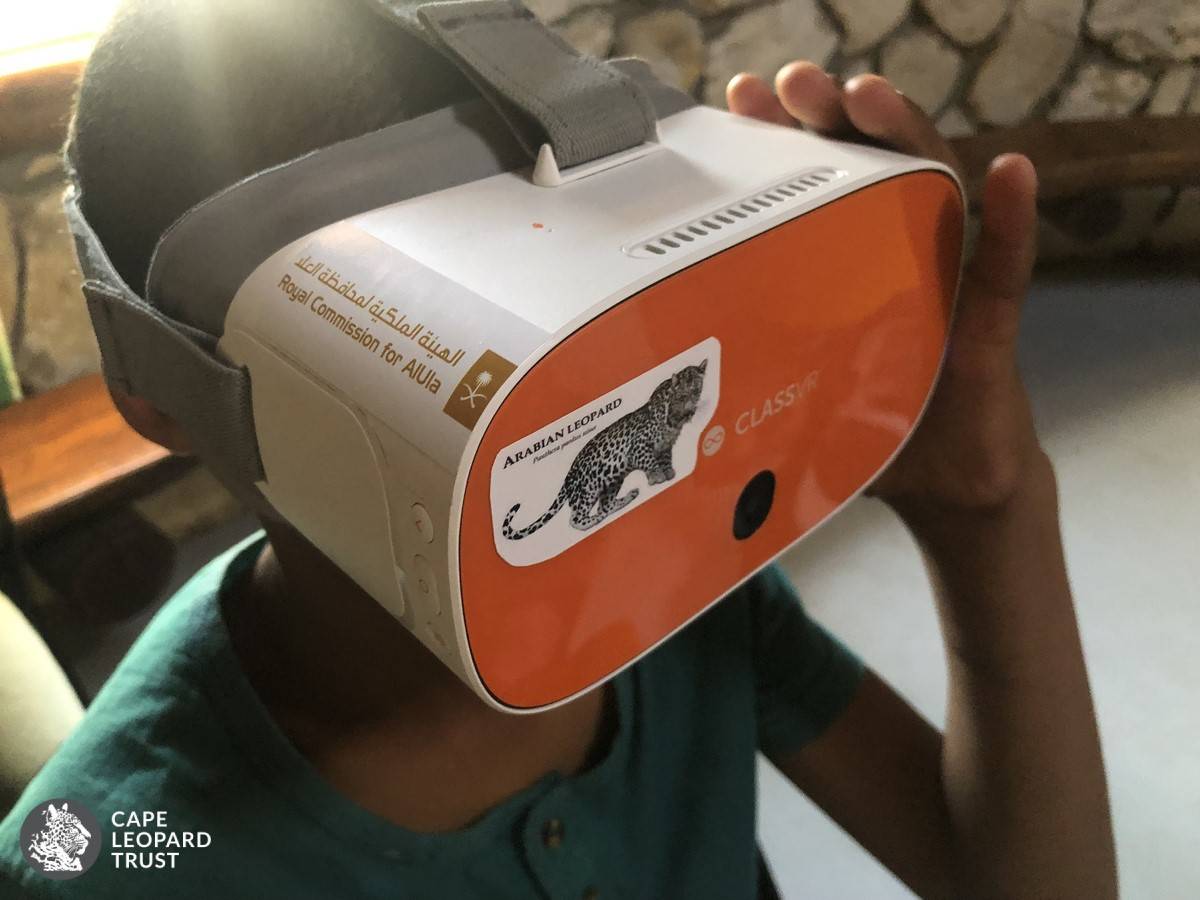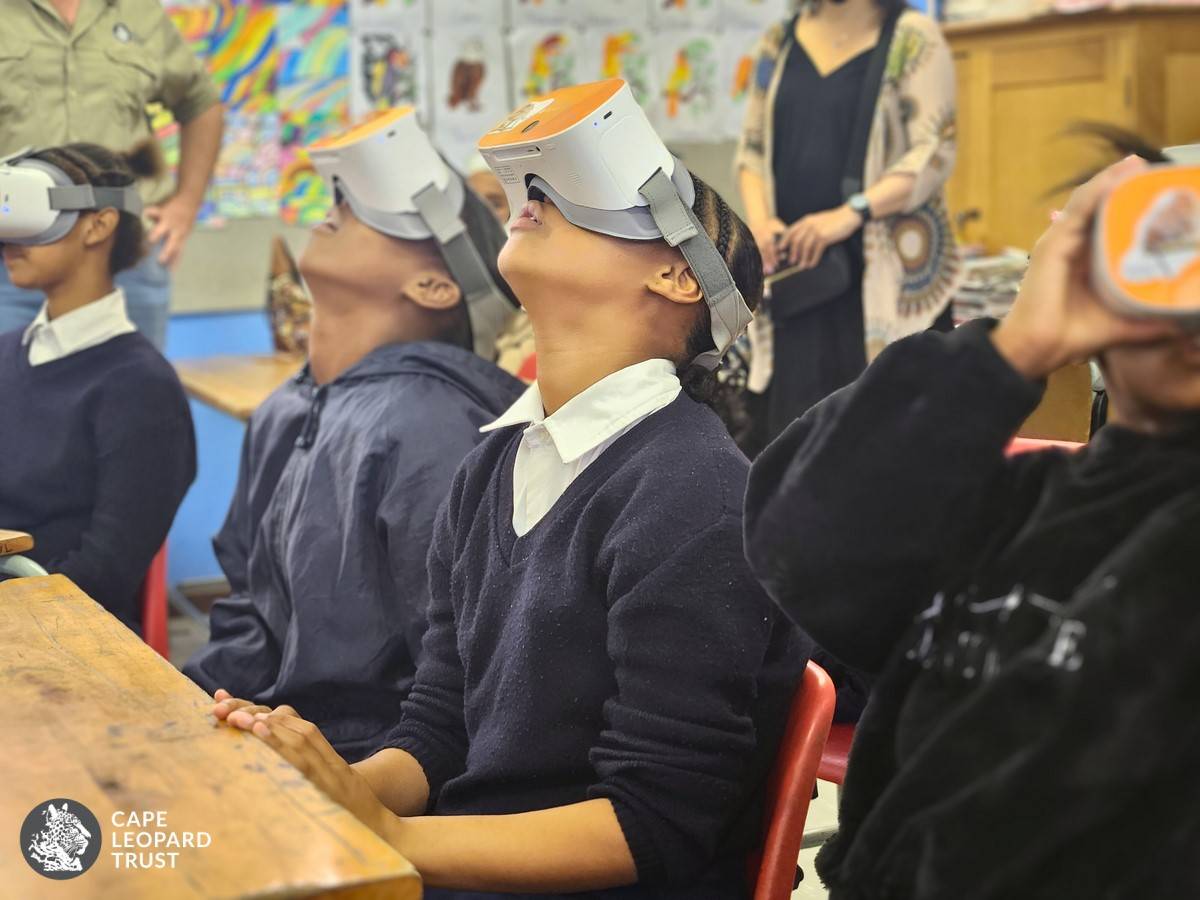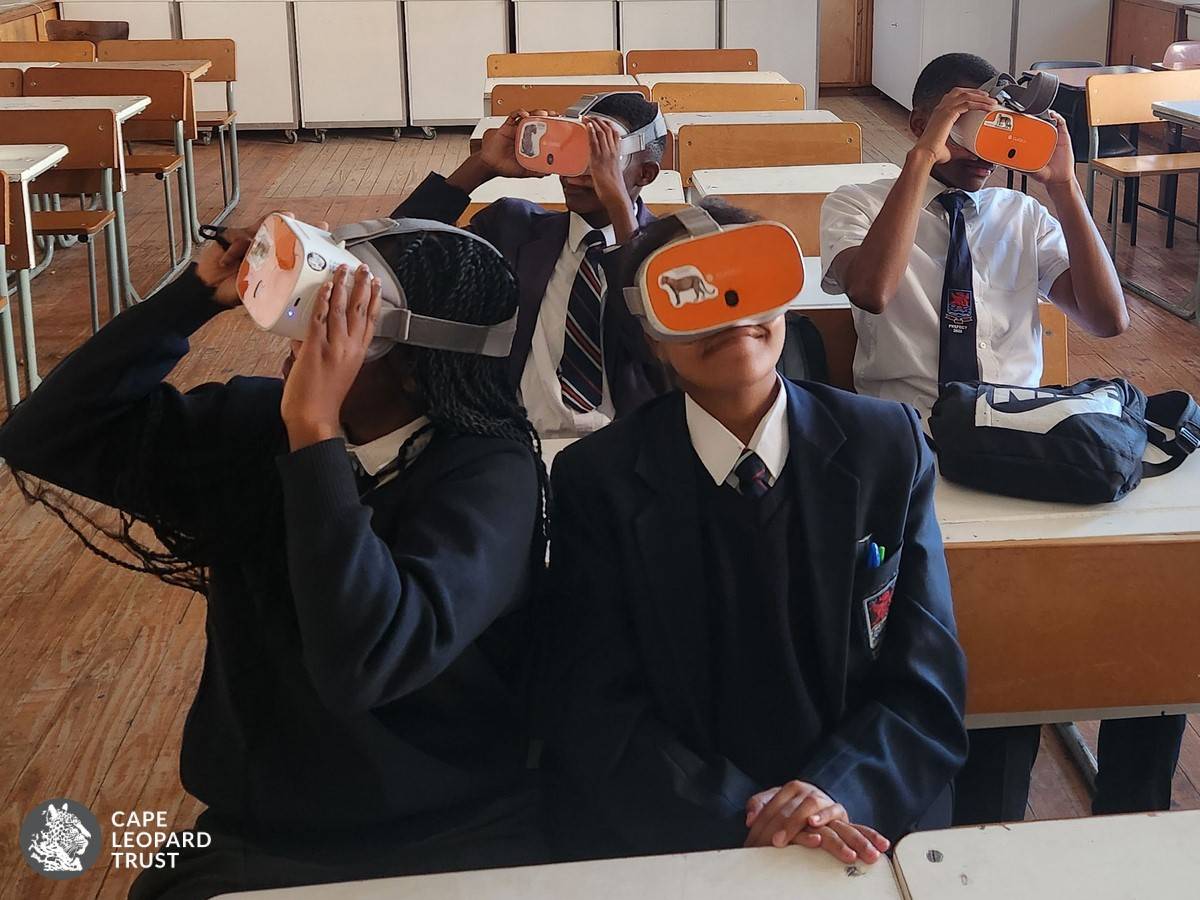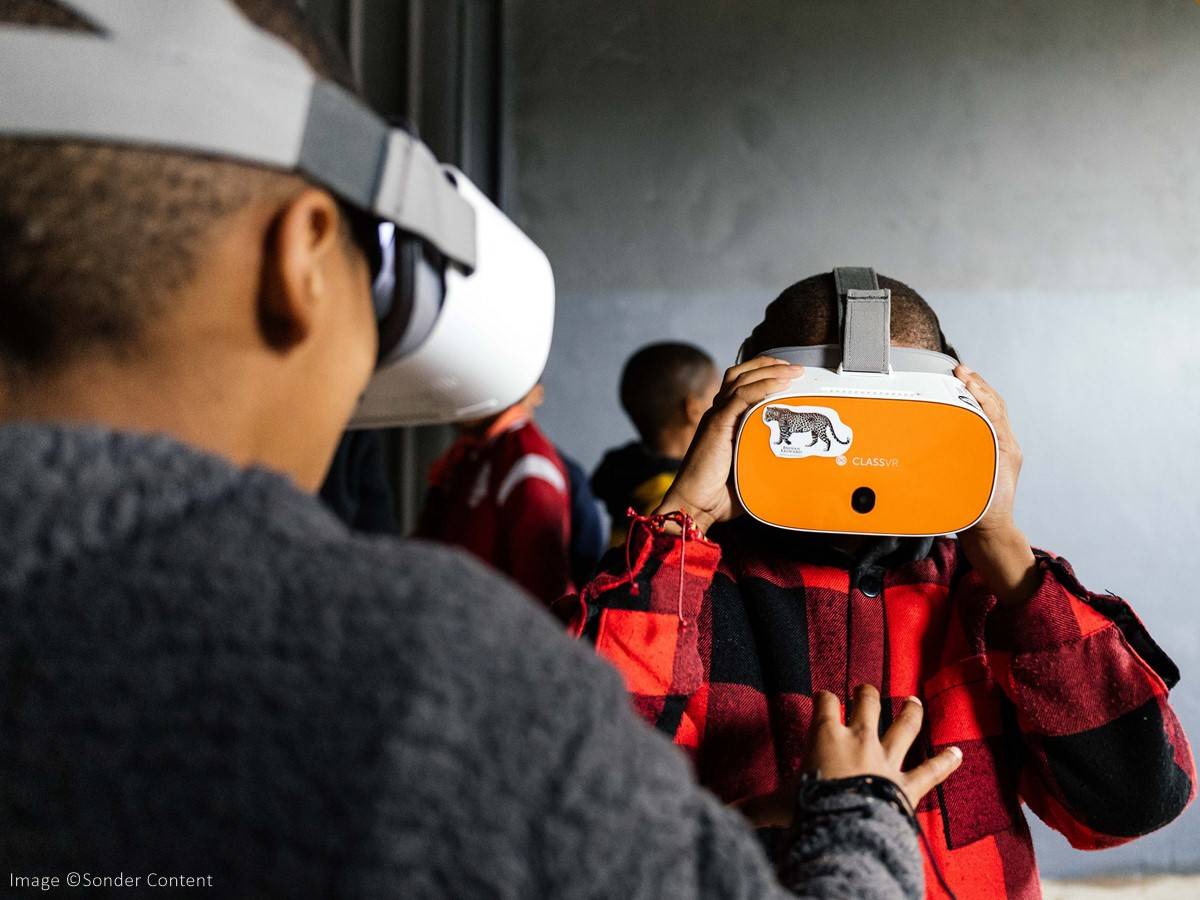

Funded by the Royal Commission for AlUla, this innovative educational tool is designed to complement in-classroom lessons and provide an immersive experience that captivates students’ imaginations.
Developed with a vision of inclusivity, the VR project aims to bring the beauty of the fynbos biome to life for all learners, including those with disabilities and those who may never have the chance to visit wilderness areas in person. From exploring rock art in ancient sandstone caves to seeing a leopard in its natural habitat, the RCU-CLT VR experience showcases the rich cultural heritage and biodiversity of the region.
Virtual Reality can be a huge boon to education, particularly in fields like environmental science. By immersing learners in vivid and interactive scenarios, VR promotes deeper engagement and retention of knowledge. Instead of passively listening to lessons, students become active participants, sparking curiosity. VR's interactive elements make abstract concepts tangible, enhancing the impact of learning.
One of the most appealing aspects of VR is that it provides a safe and controlled environment for learners to explore, allowing them to gain an understanding of the Cederberg’s landscape, flora, and fauna without the risks associated with venturing into the wilderness. This is especially pertinent to learners with physical or sensory disabilities, for whom VR opens doors to experiences that might not be physically accessible. It also allows students from urban, rural, and marginalized communities to "visit" and learn about ecosystems they might never otherwise experience.
While no technological tool can fully replicate the benefits of outdoor learning, VR holds great promise as a complementary method. By providing a taste of the Cederberg’s magic, it can inspire students to seek deeper connections with nature and equip them with the knowledge to protect it.
As we roll out this project in schools in 2025, we are thrilled by its potential to enhance environmental education. We believe this initiative will contribute to inspiring a generation of learners to become custodians of the environment, carrying forward our mission to protect the biodiversity of the Cape and beyond.